Design is a visual conceptualisation of ideas backed by science, evidence and feeling.
Landscape architecture is where my design sensibility meets ecological insight and environmental data. I translate planting systems, materiality, site context and performance modelling into built landscapes that support biodiversity, user experience and measurable outcomes.
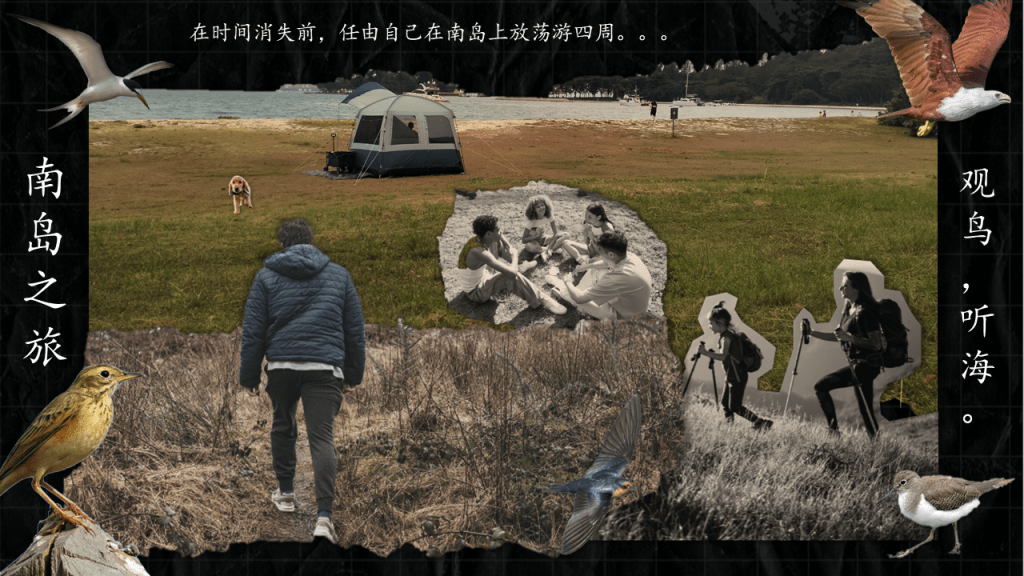
Landscape Aesthetics
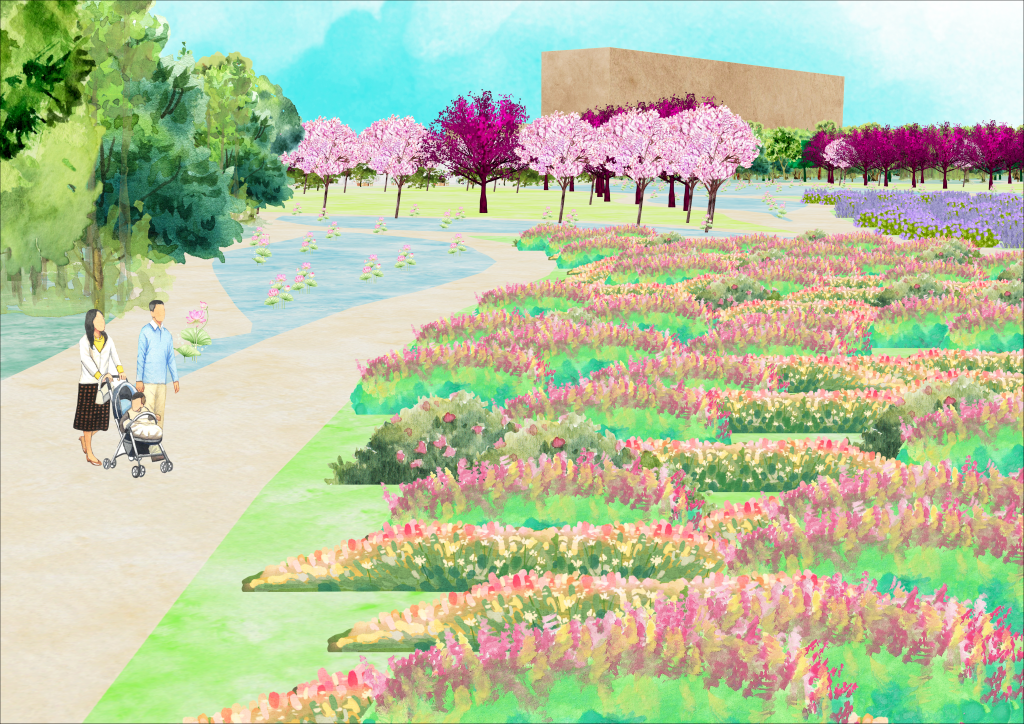
Summer Flowers Park (2024)
Designing A Park to Soften the Industrial Landscape
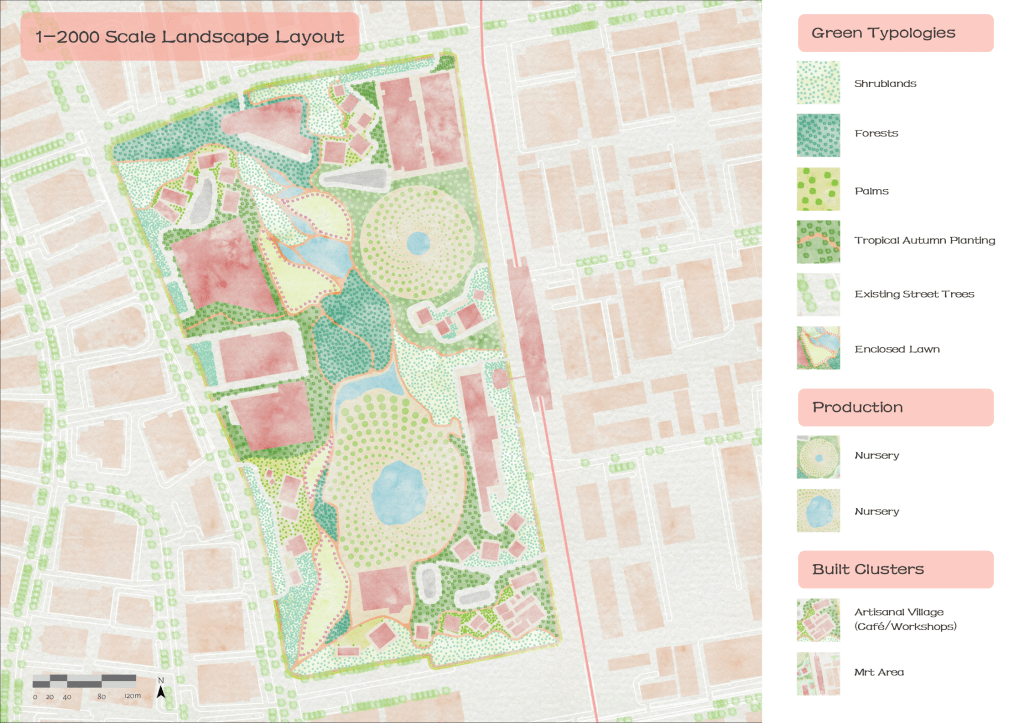
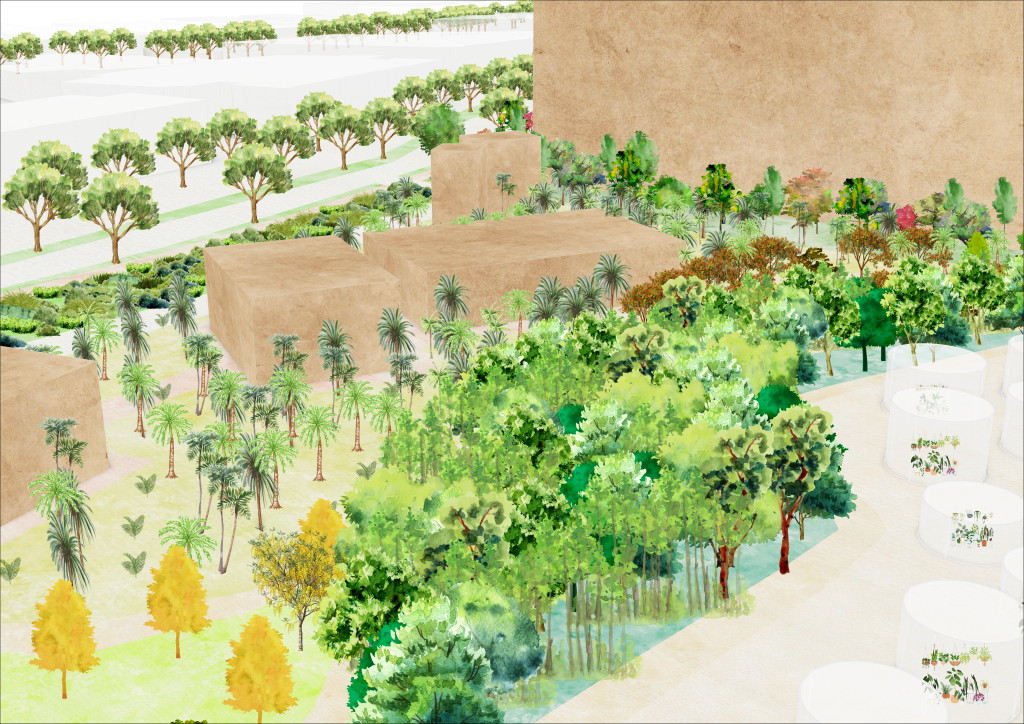
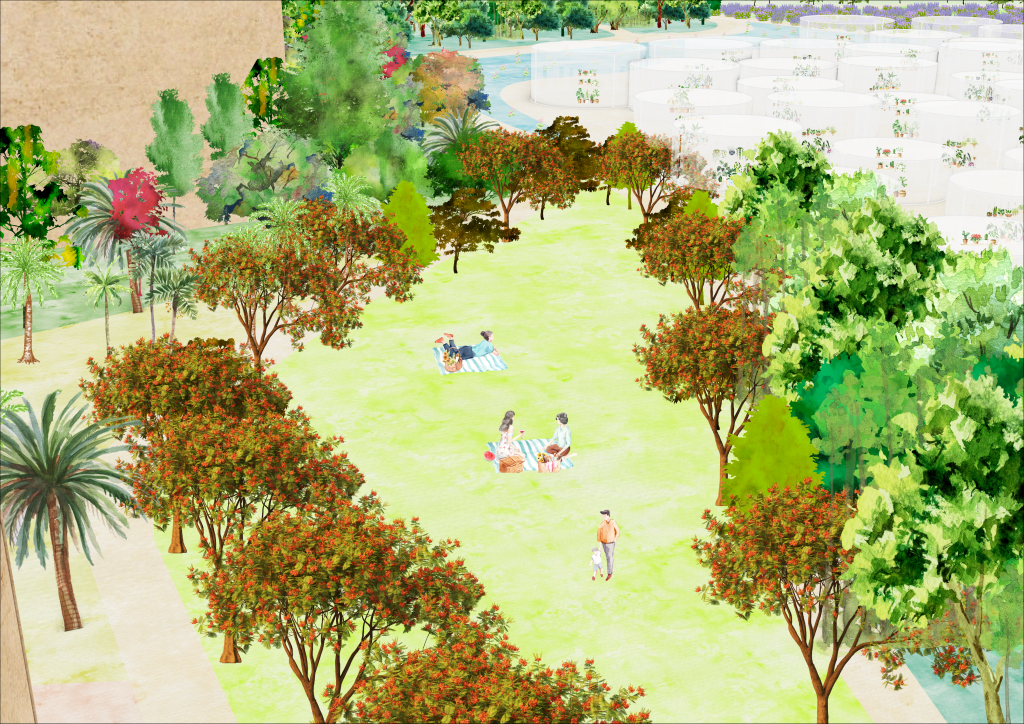
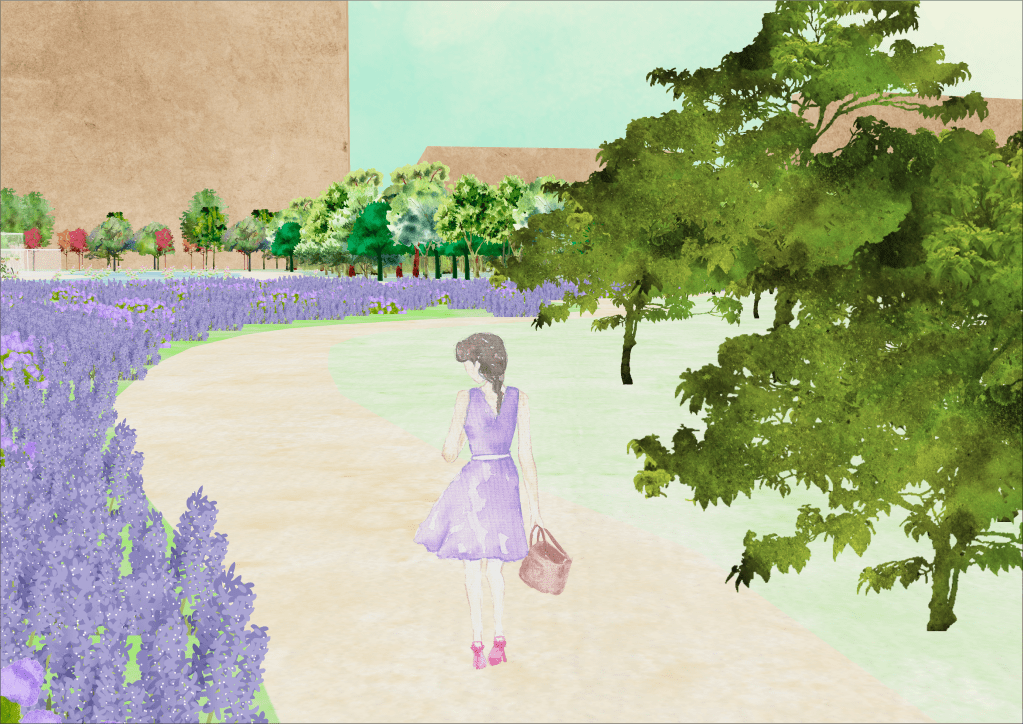
Summer Flowers Park serves as a green node at the epicentre of Sungei Kadut, softening the hustle and bustle of the industrial district.
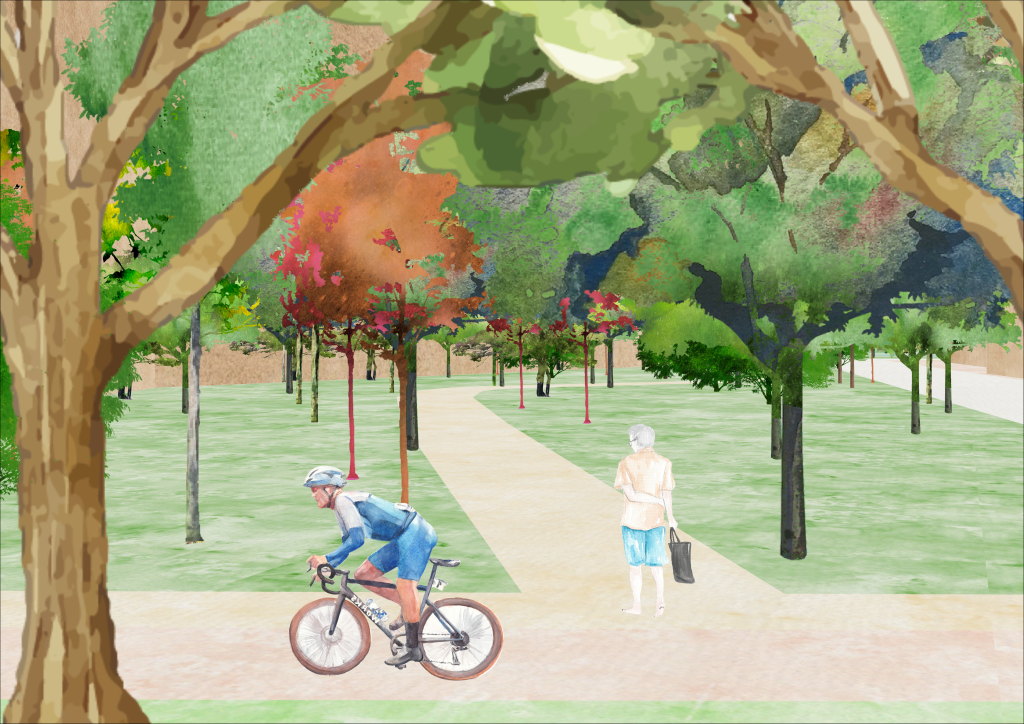
Patches of forest also flow through the site, which together with the contextual streetscape, help to form ecological corridors wildlife.
Through the insertion of flower shrublands and seasonally flowering tropical trees, Summer Flower Park serves to encourage users to slow down in life and take some time to appreciate the little things that pop up around them.
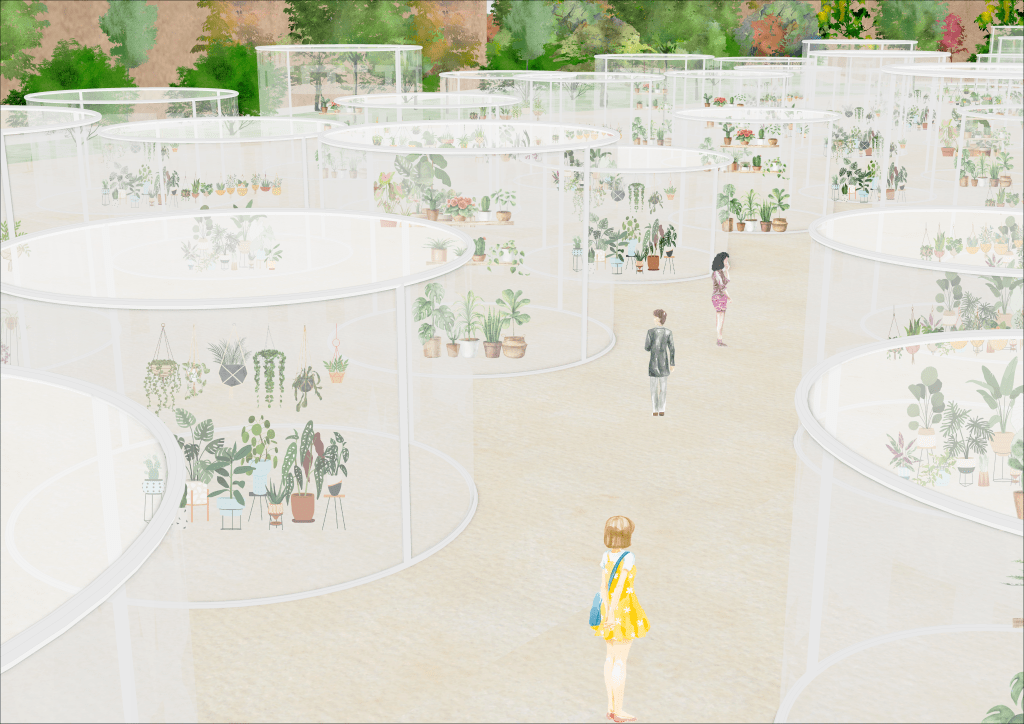
To hybridise aspects of industry and recreation, nurseries are placed as production centres within the site, cultivating a range of ornamentals that people could purchase and bring home.




Community Park and Infrastructure Design
Preliminary Design for Graceland Residences, Hang Dong Chiang Mai (2022)
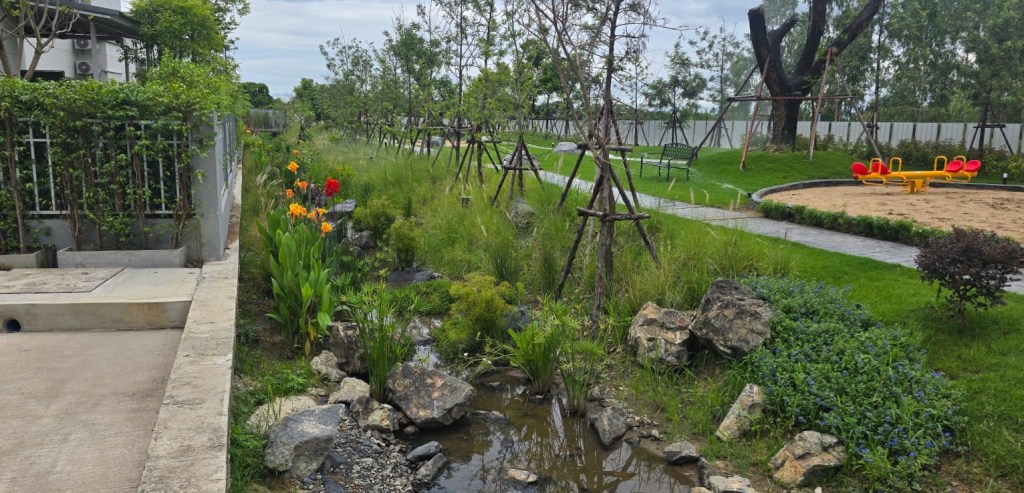
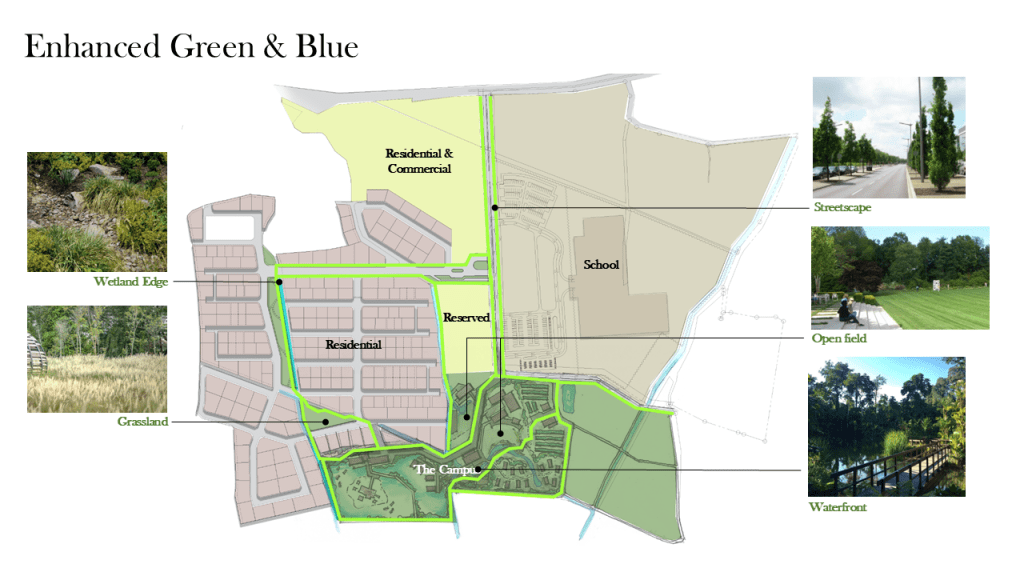
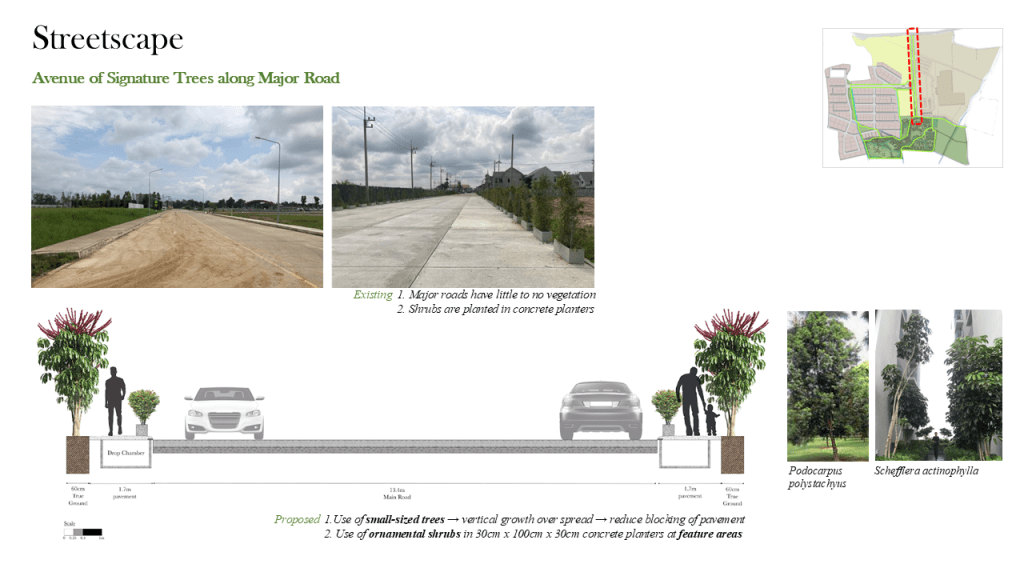
Prepared preliminary landscape design drawings and infrastructure layouts for a residential development in Hang Dong, focusing on community park integration and sustainable open-space planning.

Ecological Design
Uncage: A Refugia for Birds (2025)
Planning and Designing Offshore Islands for Wildlife
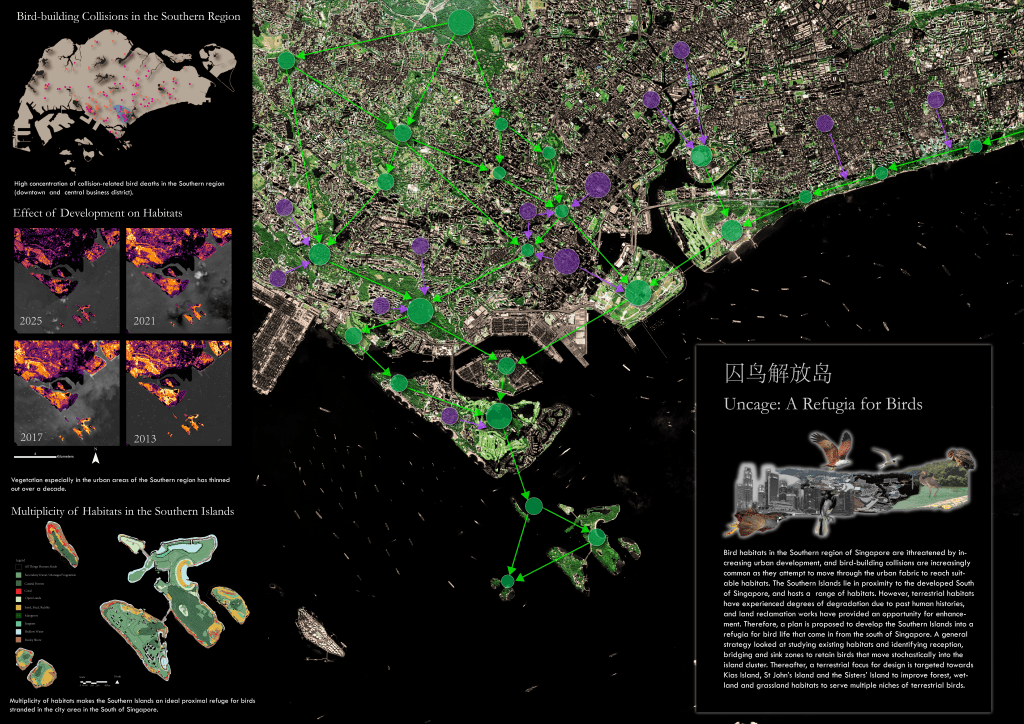
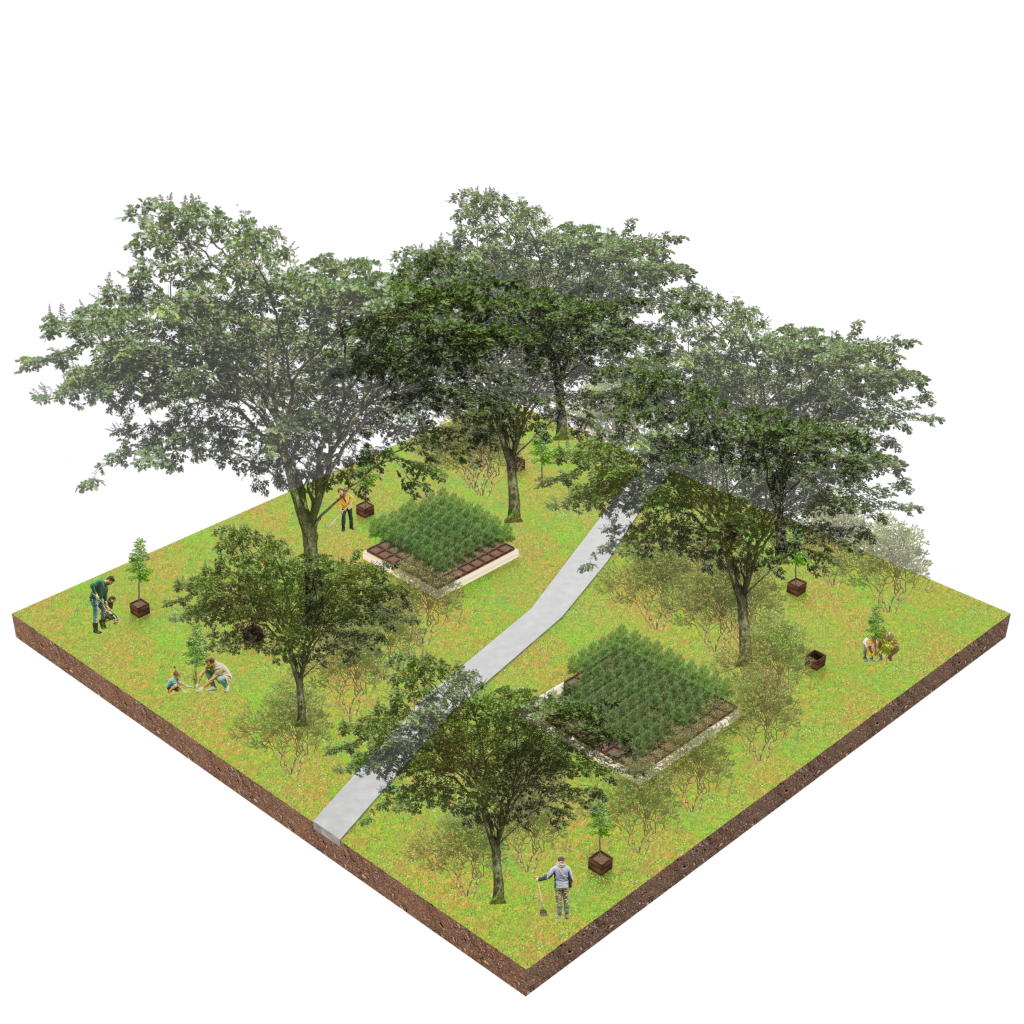
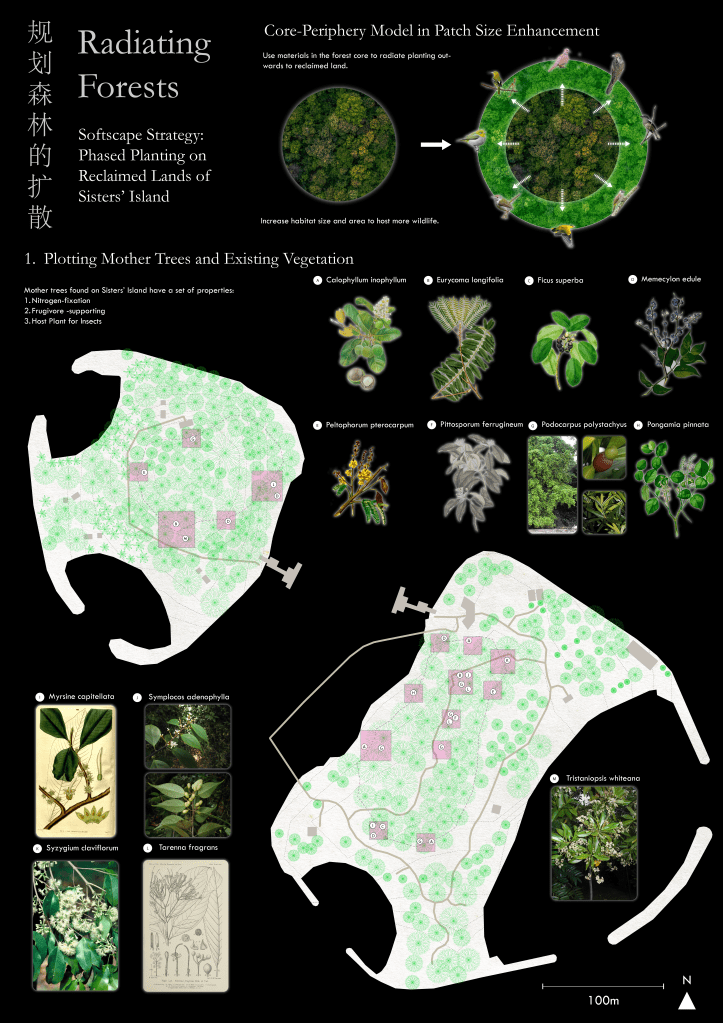
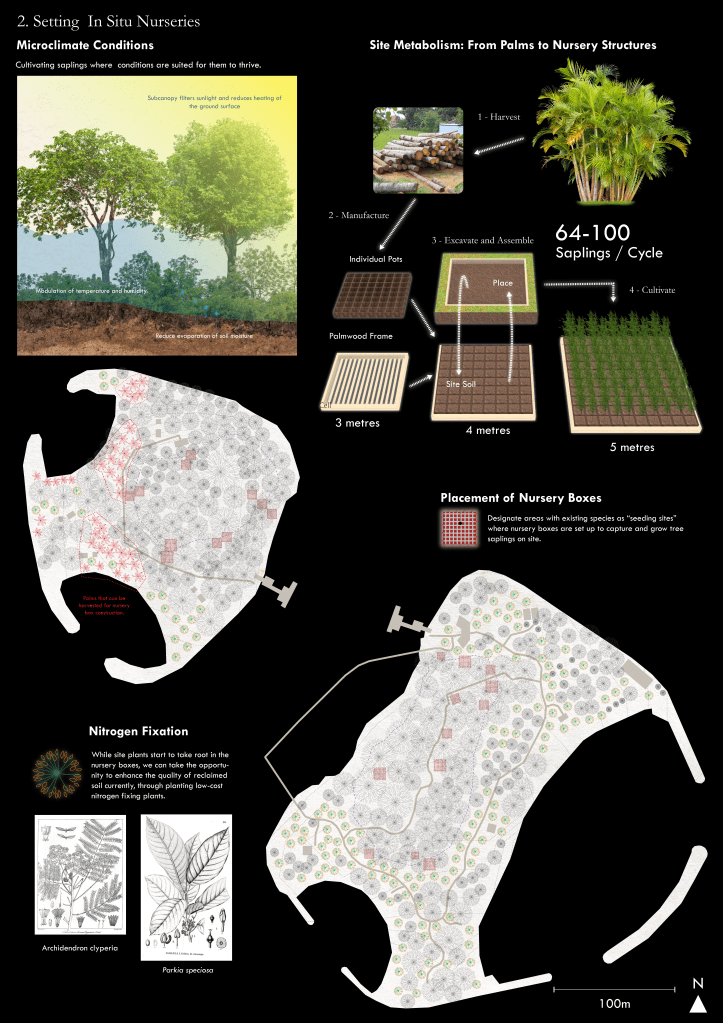
Bird habitats in the Southern region of Singapore are threatened by increasing urban development, and bird-building collisions are increasingly common as they attempt to move through the urban fabric to reach suitable habitats. The Southern Islands lie in proximity to the developed South of Singapore, and hosts a range of habitats. However, terrestrial habitats have experienced degrees of degradation due to past human histories, and land reclamation works have provided an opportunity for enhancement. Therefore, a plan is proposed to develop the Southern Islands into a refugia for bird life that come in from the south of Singapore. A general strategy looked at studying existing habitats and identifying reception, bridging and sink zones to retain birds that move stochastically into the island cluster. Thereafter, a terrestrial focus for design is targeted towards Kias Island, St John’s Island and the Sisters’ Island to improve forest, wetland and grassland habitats to serve multiple niches of terrestrial birds.




Design With Nature
To Inherit a Landscape (2024)
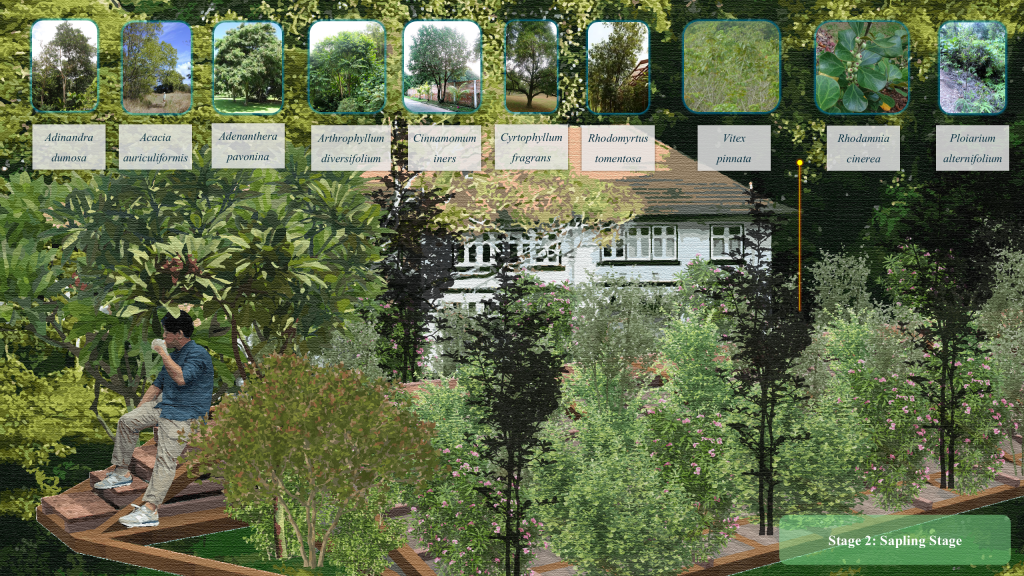
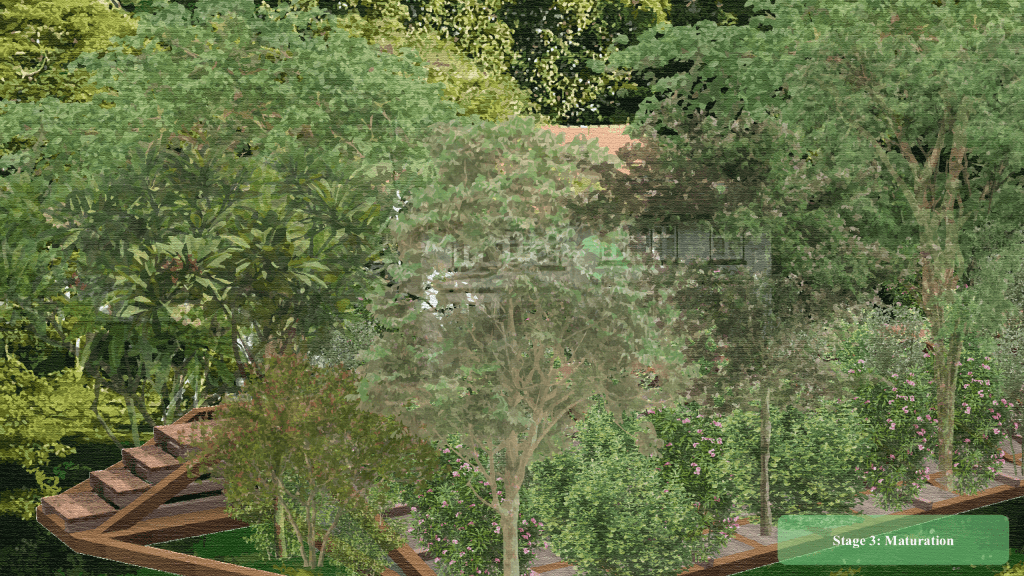
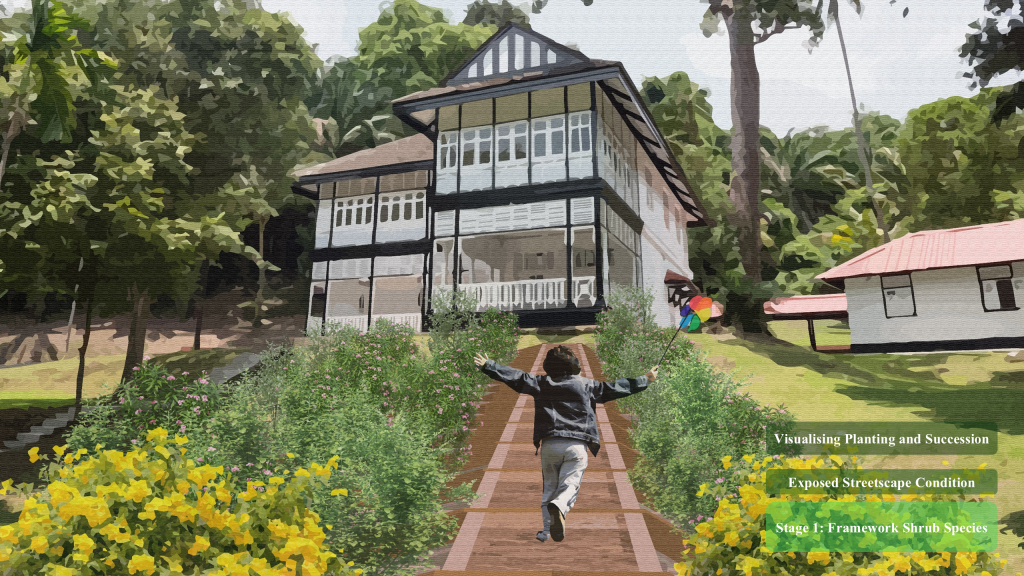
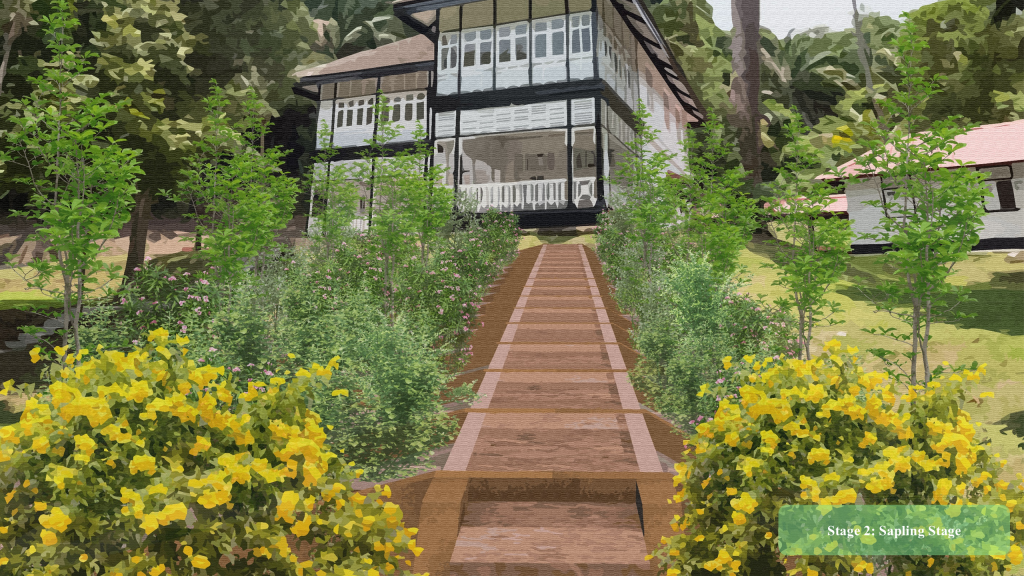
Colonial Streetscape and Forests as a Unit of Inheritance
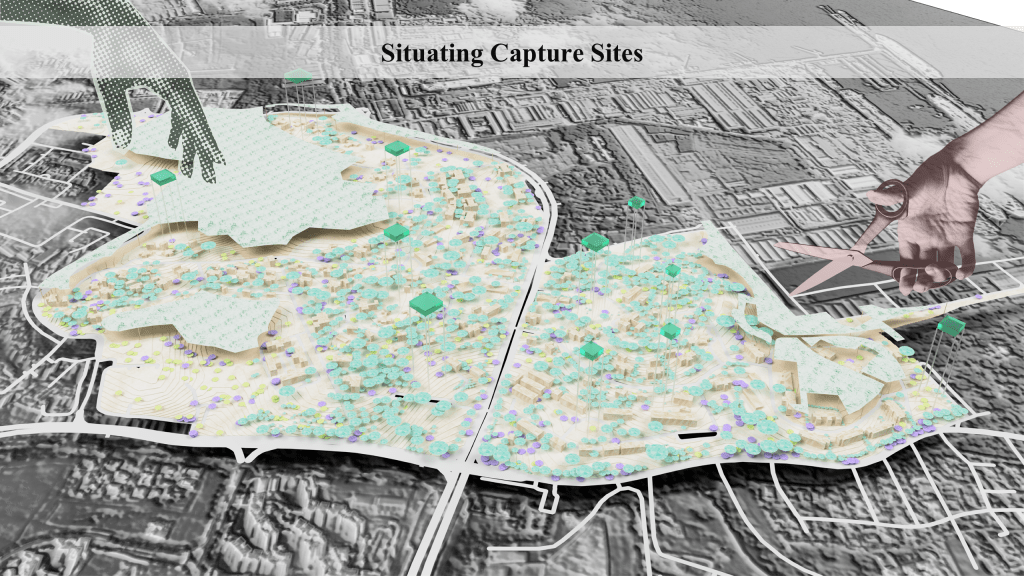
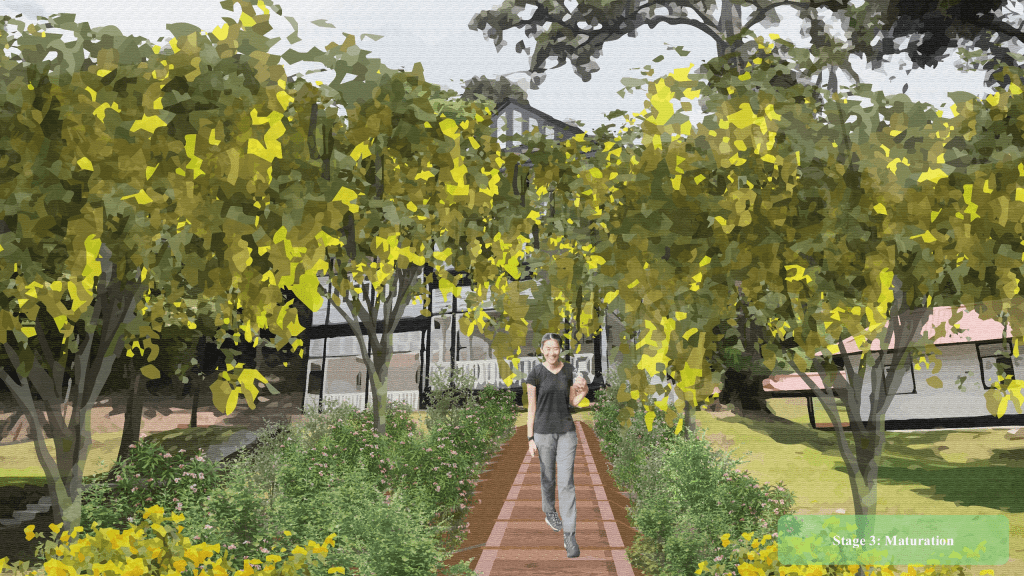
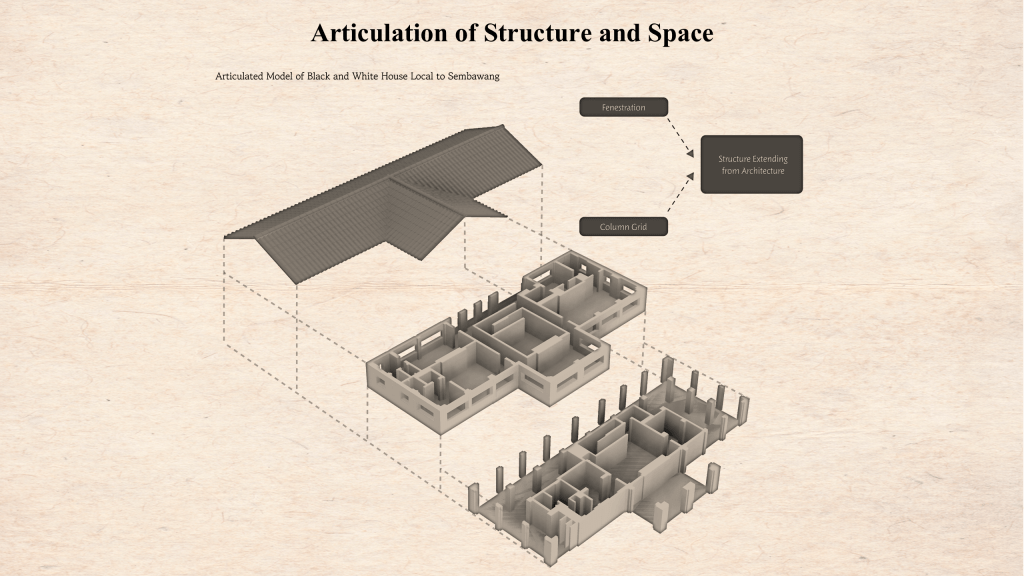
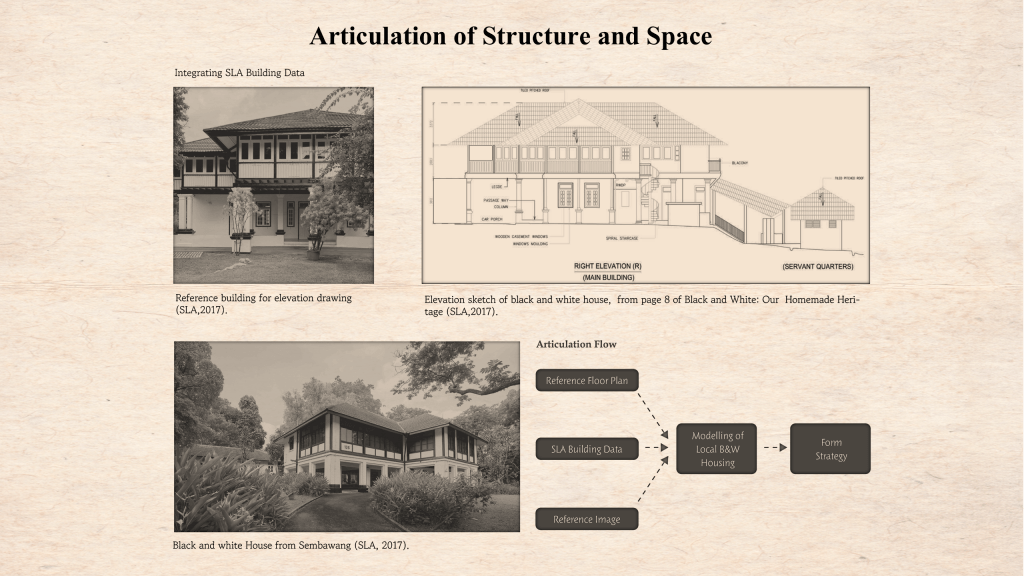
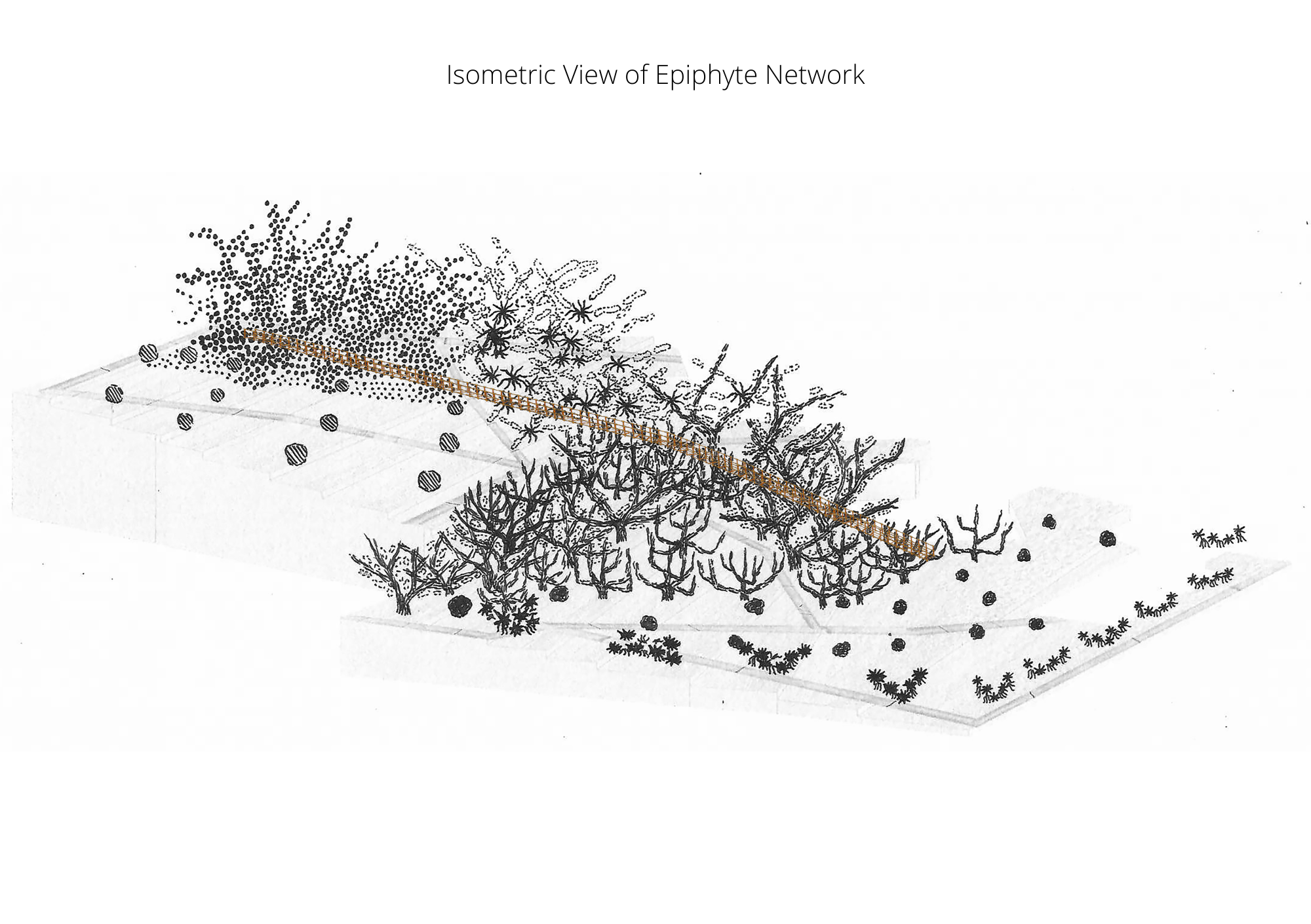
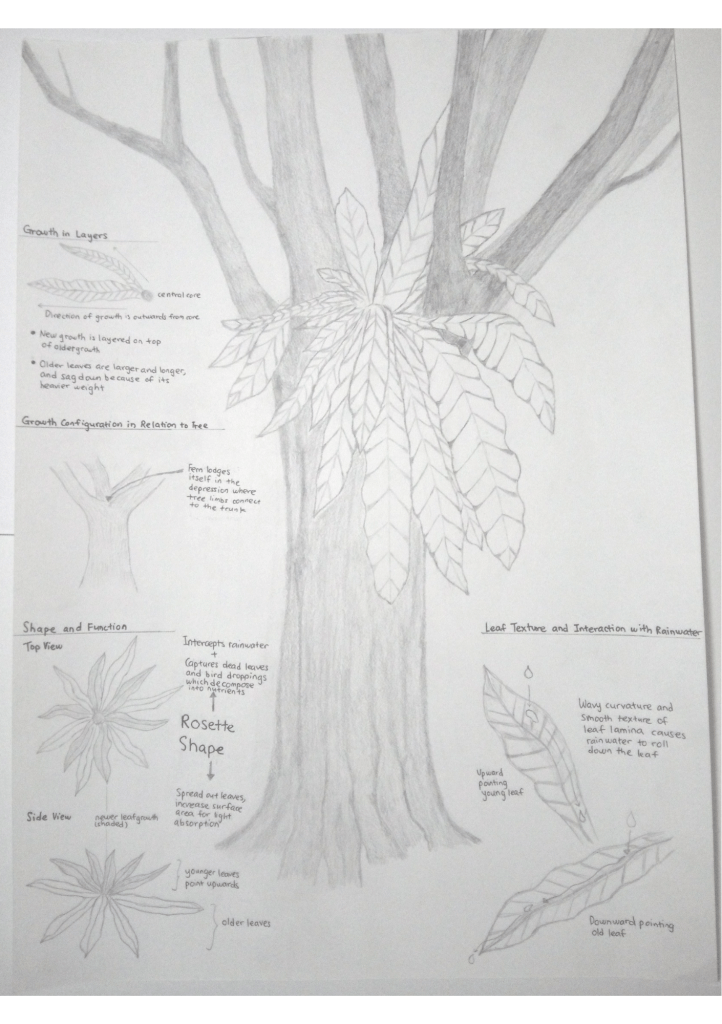
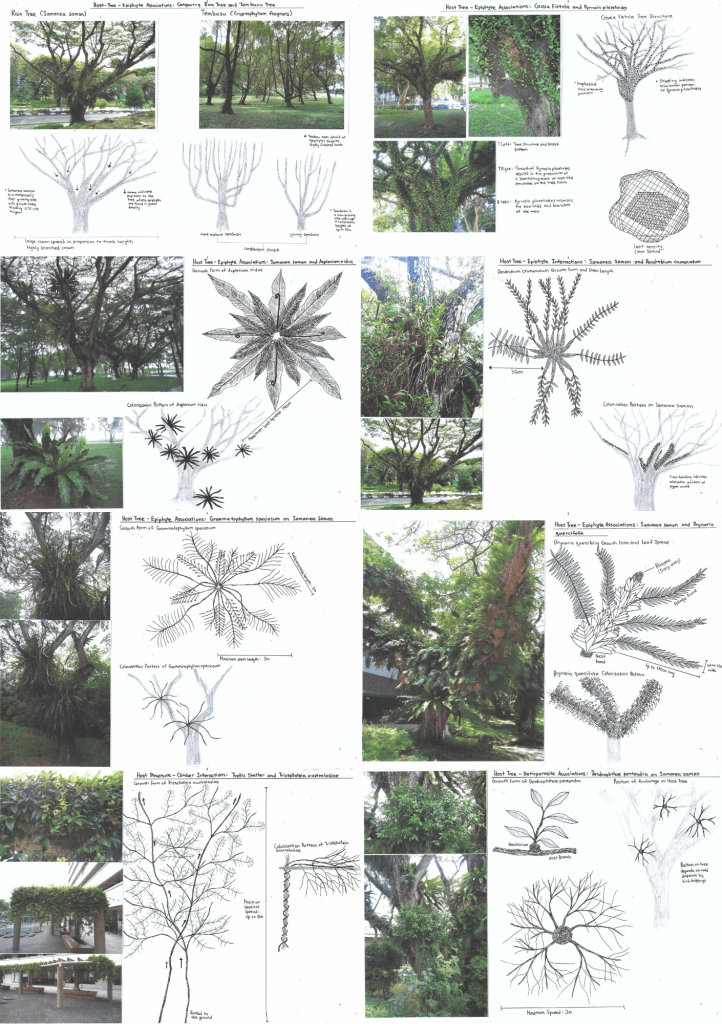
Colonialism has an extensive influence over the modification of the environment, playing out in multiple tropes – deforestation, nature-ties, conservation and landscape practices. We inherit similar practices in how we treat forests, conserve architectural heritage, maintain and grow new landscapes, as well as to interact with our natural environment. We inherit the nature of our predecessors in desiring and exerting control over the non-human environment. Trees continue to be planted within delineated boundaries and along rigid lines. Unique to the chosen site, the conservation of black and white estates, remnants of our colonial past, led to the perpetuation of mowed landscapes that form as part of the introduced English landscape movement. The proposed fifth nature is a subversion of the politics of control, according the power once practised by humans to the plants that will shape the land they inhabit. The reclamation of the colonial estate as a new form of reserve site with enriched heritage is proposed, which is designated to blend with natural heritage. This is done through situating capture sites into the landscape, to “catch onto” spontaneous vegetation, integrating the native and naturalised vegetation into a landscape that is conserved and inherited by generations as part of a unit with the heritage buildings.



Designing Playscapes
Flow (2023)
Parametric Modelling of Playscapes
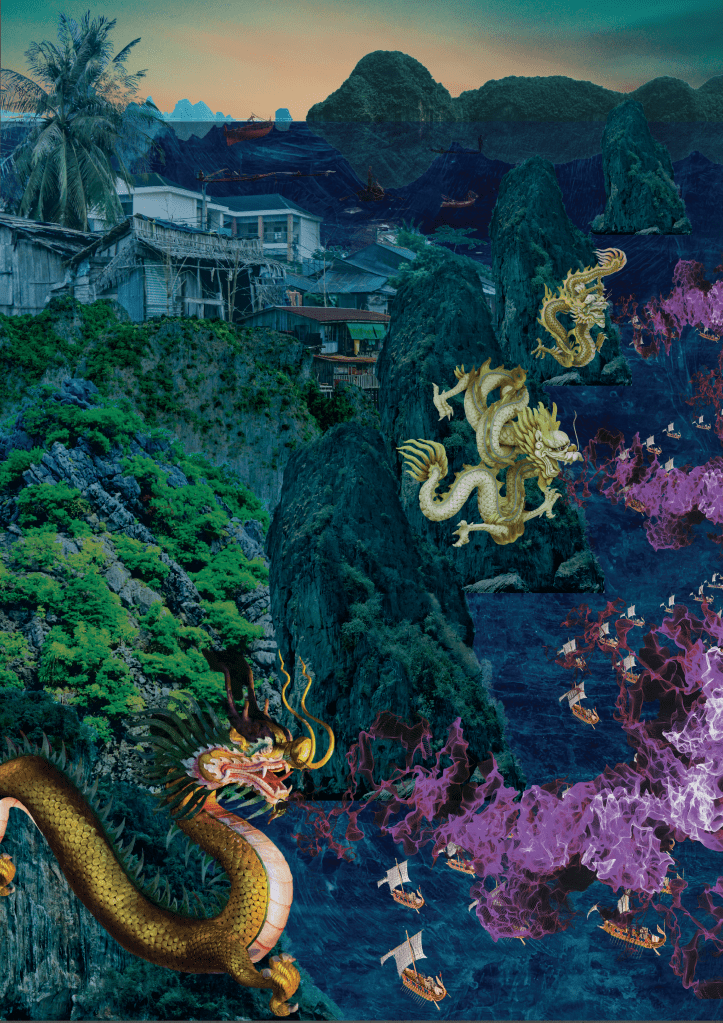
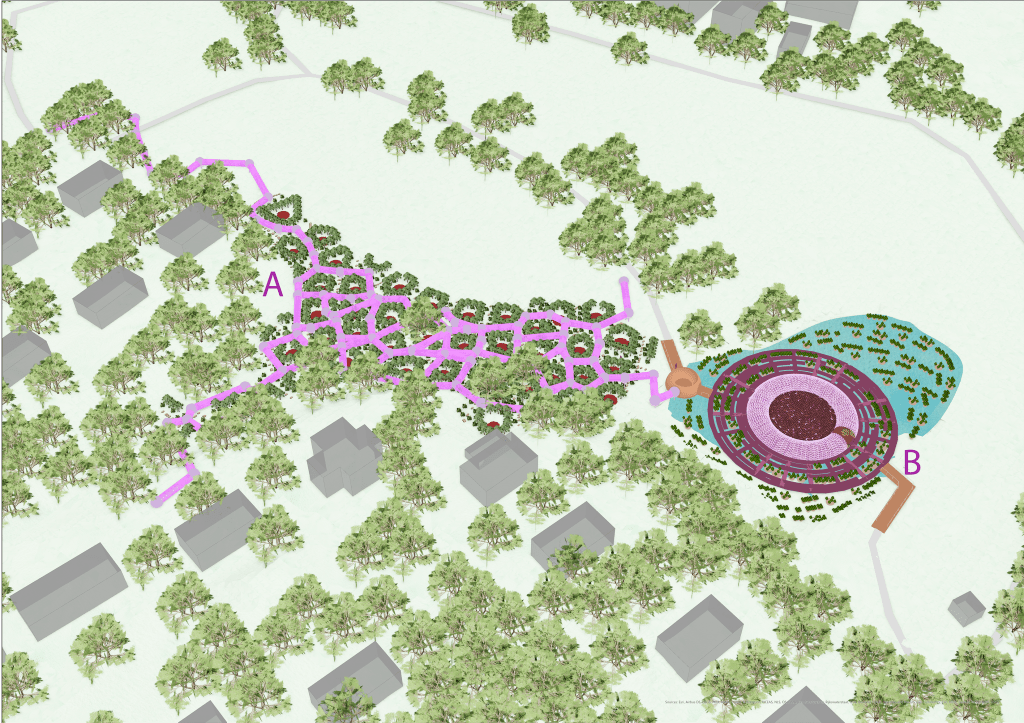
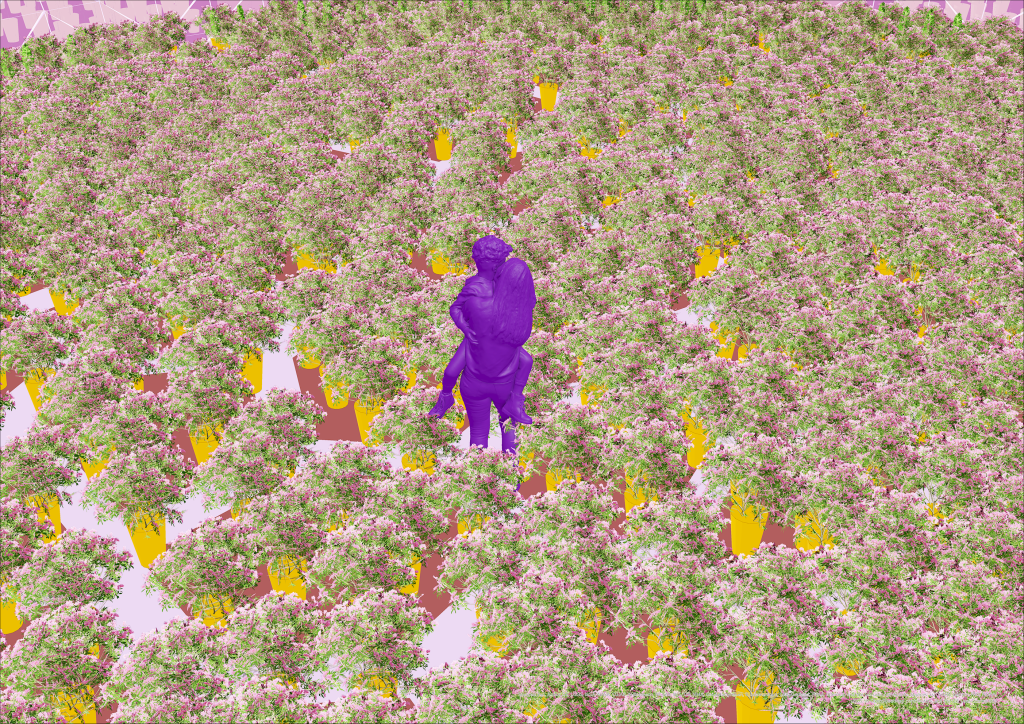
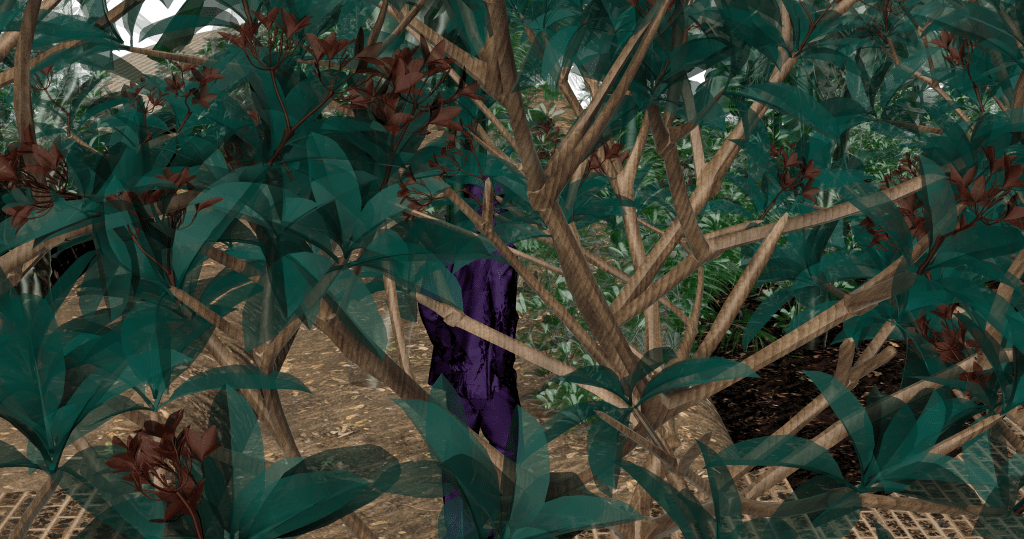
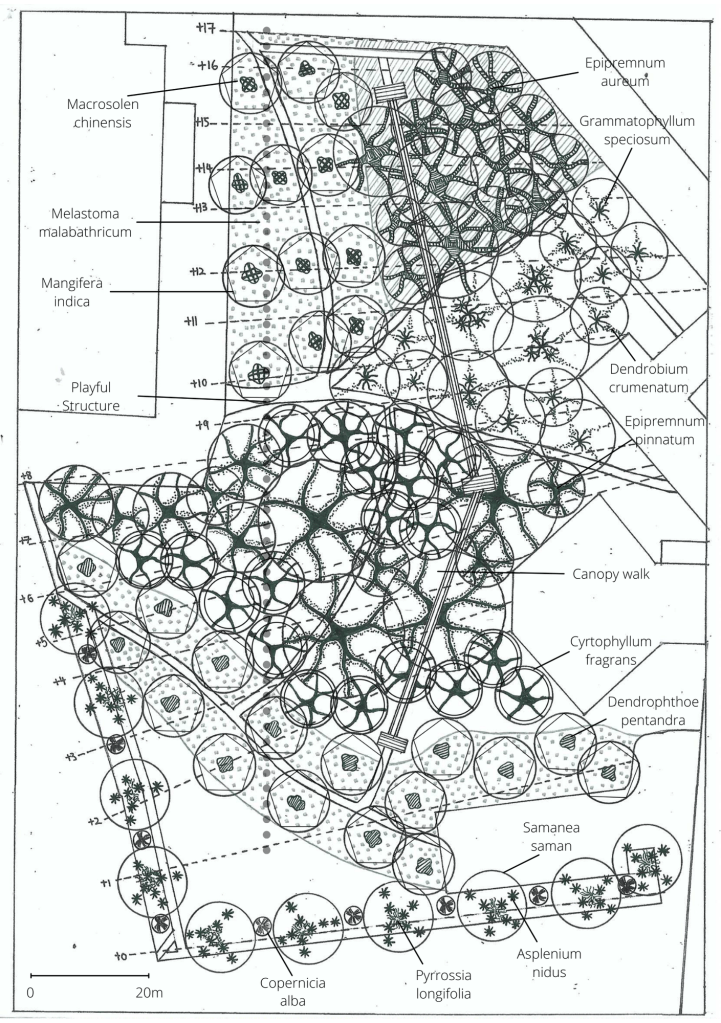
Flow aims to insert biophilic play into the existing landscape, restoring swamp forests of the past through seed scattering, seed-bombing and planting activities. The extracted concepts of ‘protector’, ‘floating islands’ and ‘ nature’s cradle’ from the study of Ha Long Bay , are abstracted and infused into the design through a range of typologies manifested at varying scales.
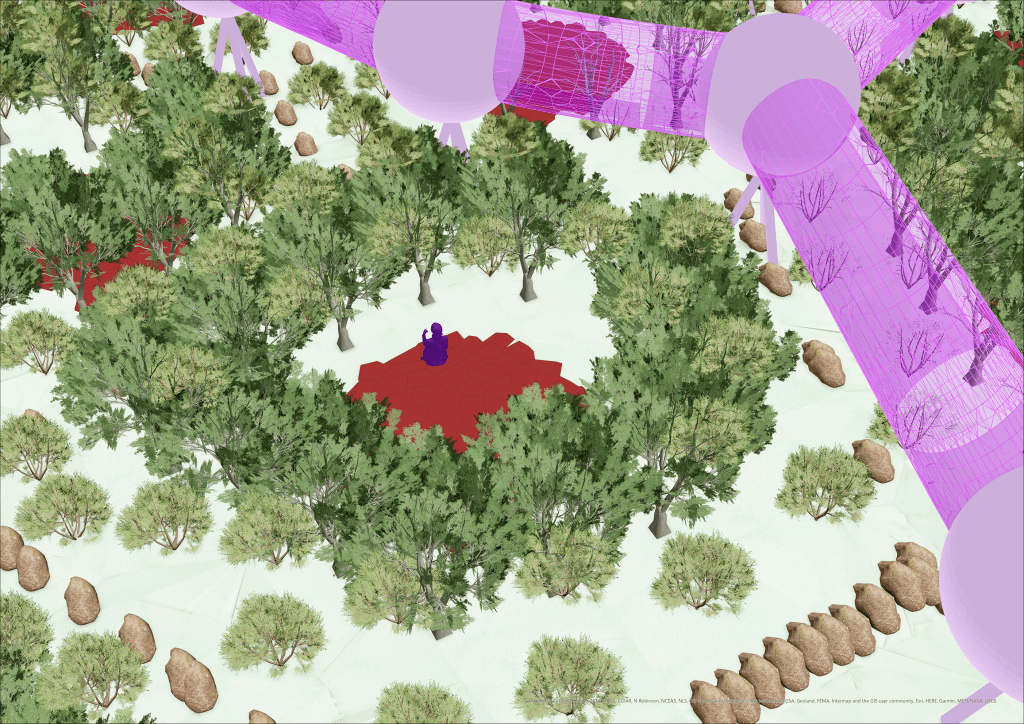
2 design languages are used – (1) voronoi which creates organic flow patterns and (2) ripple waves that mimic the form that water surfaces make when disturbed.
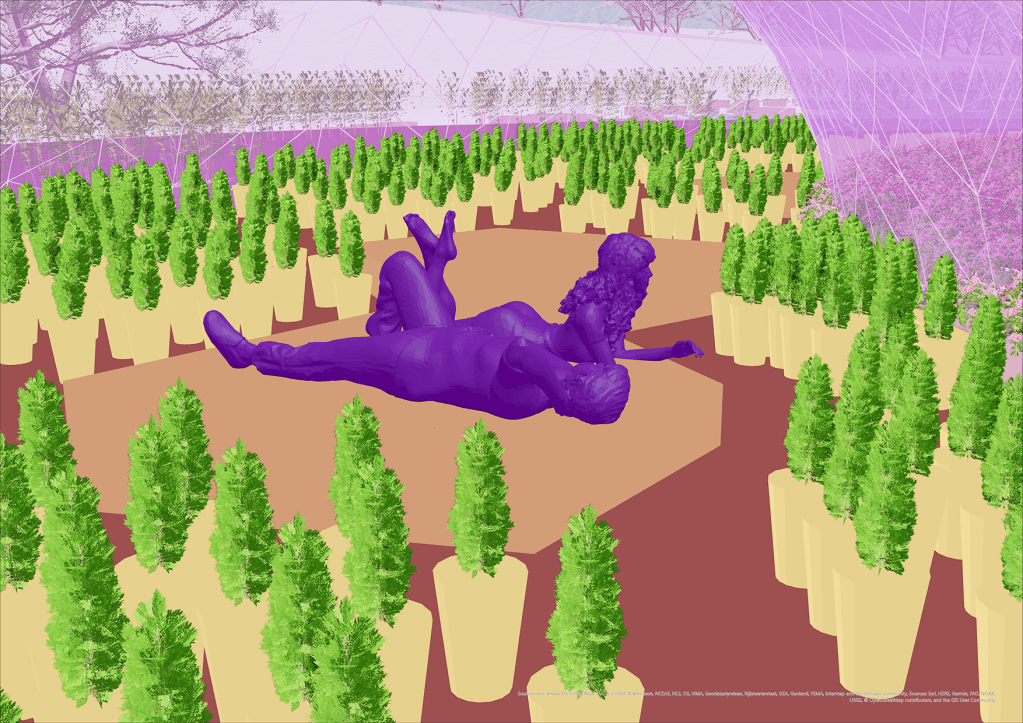
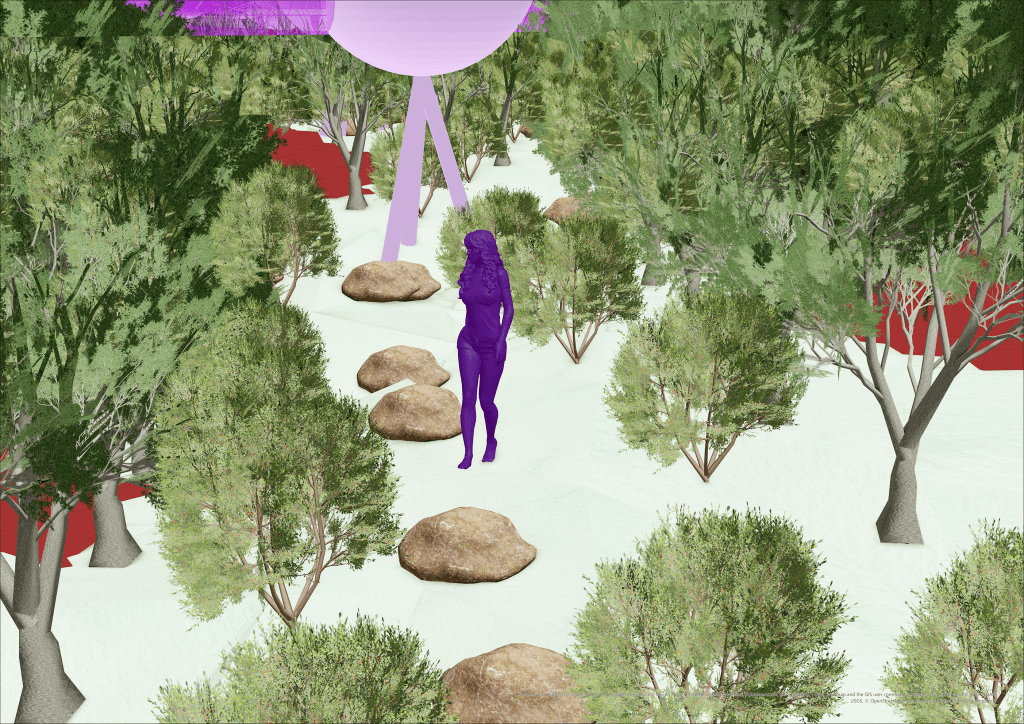
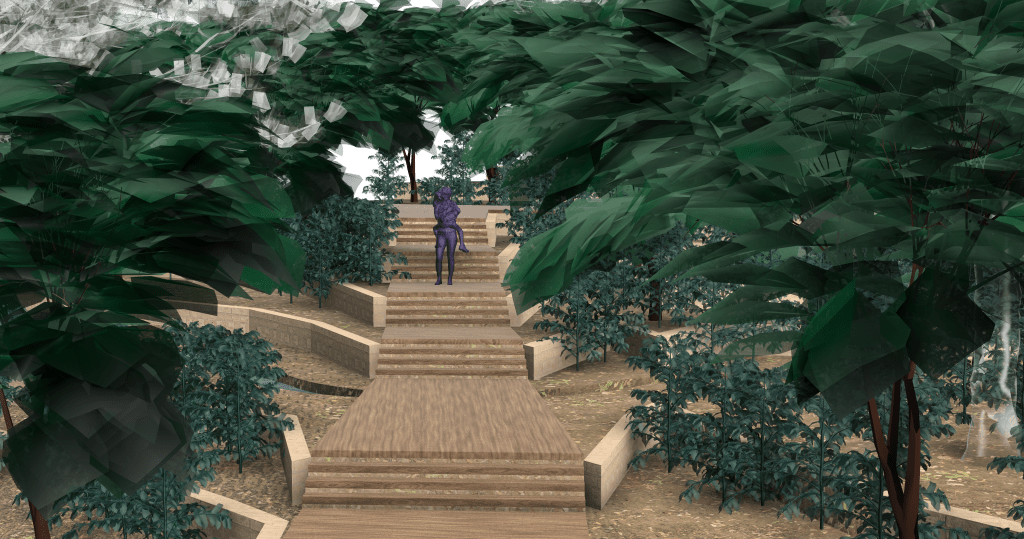
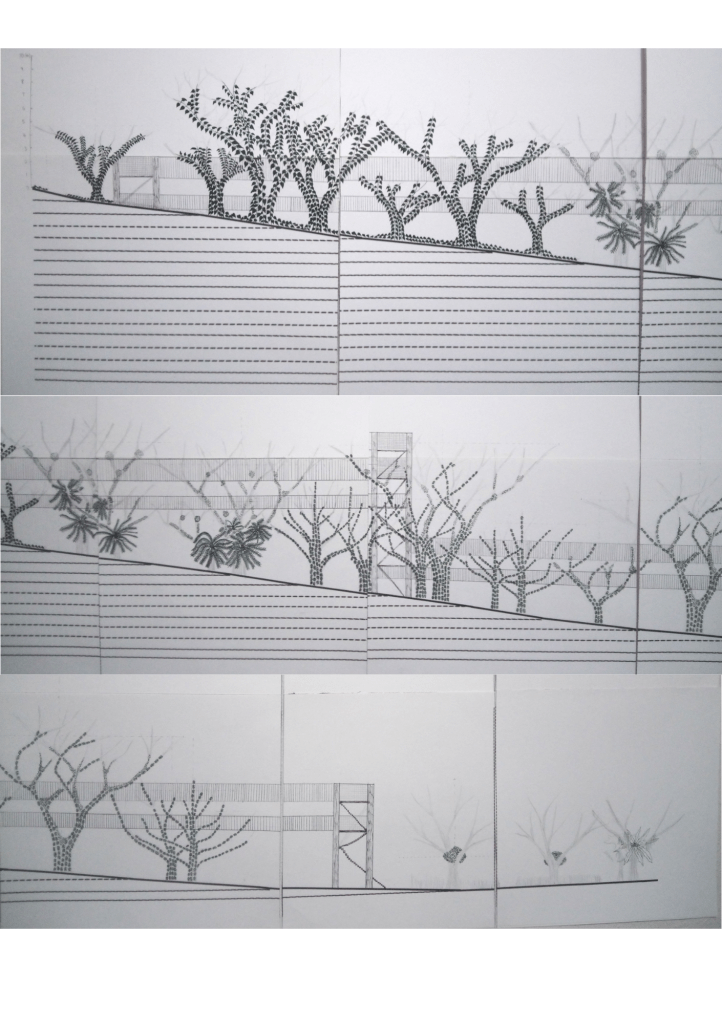
Design gestures involve modifications to topography, built forms, hardscapes and plant placements. The design features mainly centre around a nursery that forms the main ‘floating island’ which protects people and plants from the elements. A connecting node serves to connect people to the board walk, canopy walk and the ground paths that form when the water shed is not flooded (normally dry conditions). The labyrinth forest with its log islets and canopy walk serves to provide different experiences – navigating through the forest through stepping stones, forced to flow through the landscape aloft and to seek seclusion in enclosed spaces.




Designing Community Landscapes
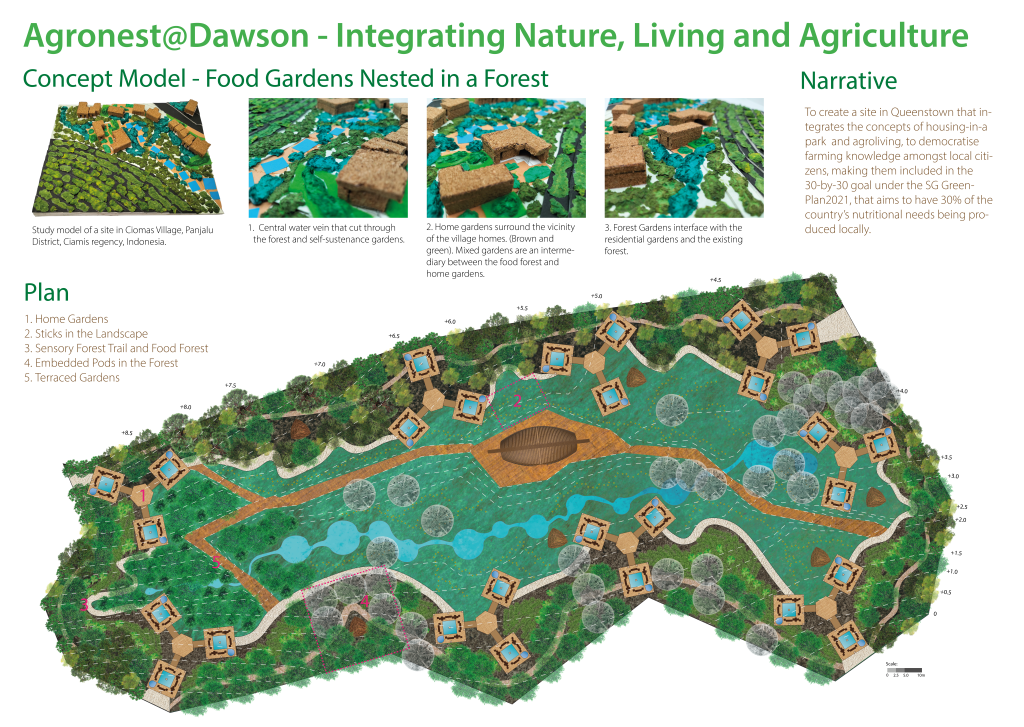
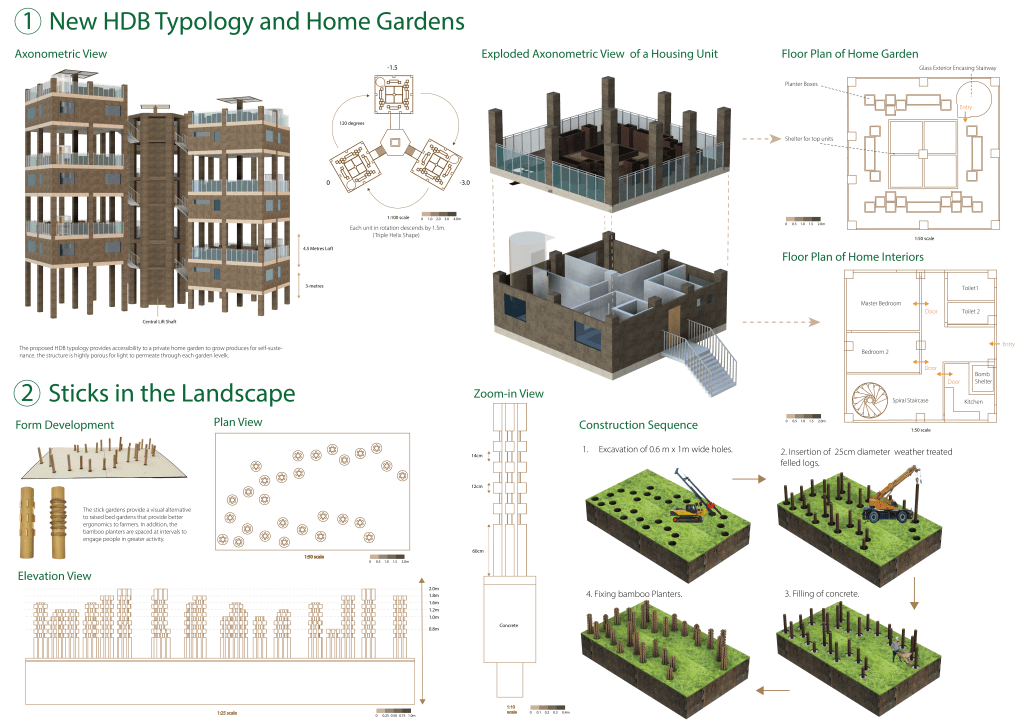
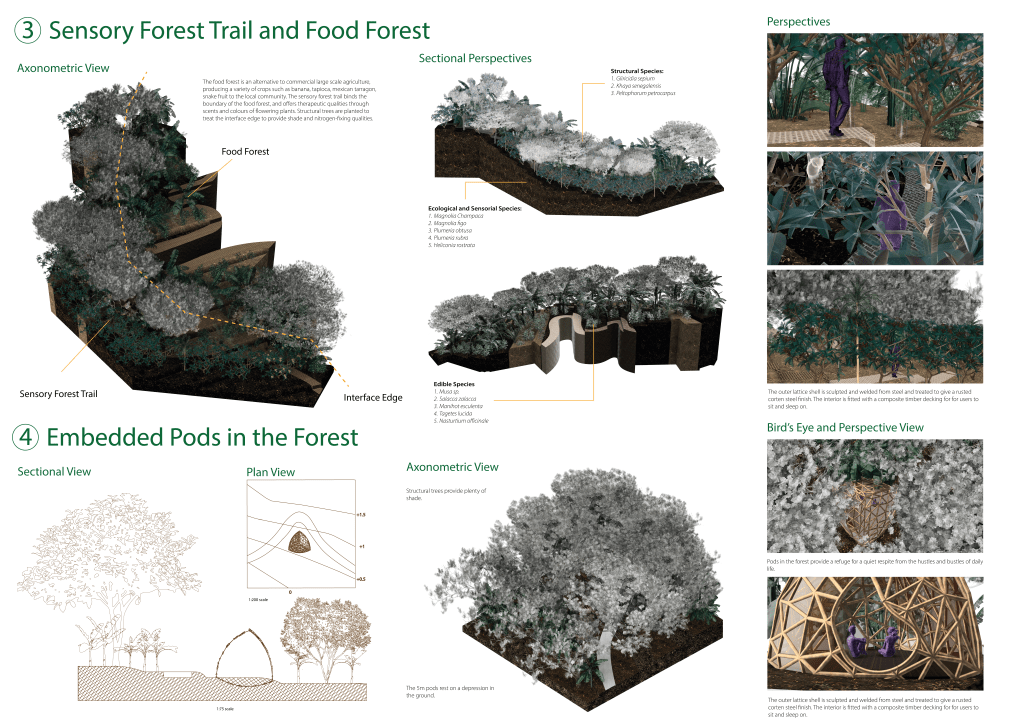
Agronest at Dawson – Integrating Nature, Living and Agriculture
Gardens and Farmscapes at Different Scales
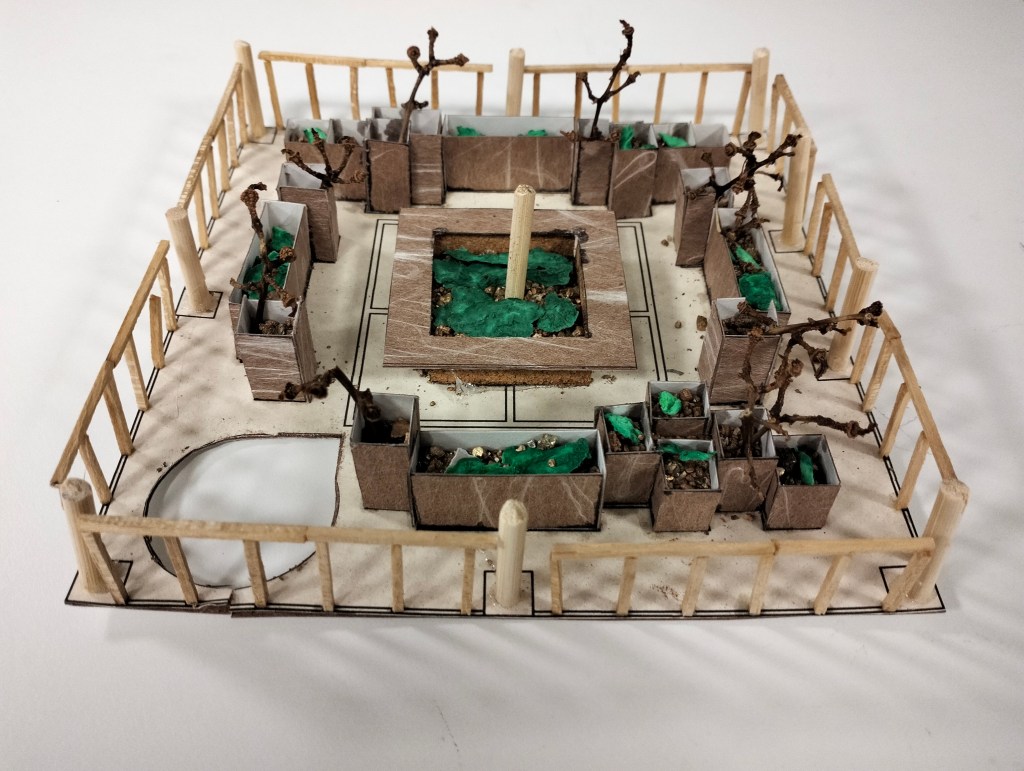
Creating a site in Queenstown that integrates the concepts of housing-in-a-park and agro-living, to democratise farming knowledge amongst long citizens, making them include in the 30-by-30 goal under the SG Green Plan 2021, that aims to have 30% of the country’s nutritional needs to be produced locally by the end of 2030.


Skills
ArcGIS Pro
I often use this GIS tool is to draw maps and plans, do spatial planning at larger scales.
3D Modelling
I often use Rhino-Grasshopper to do parametric modelling to design forms and hardscapes.
Adobe Photoshop and Illustrator
I use both Illustrator (more often) and Photoshop in the rendering of perspectives and to do graphic layouts / annotations.
Got questions?
Feel free to reach out.
 Cleon's Project Portfolio