“Through the difficult times I now understand that the most beautiful flower would always be for me. “
― Lydia (F.I.R.)
In my work I combine plant science, ecological design and data-driven approaches to shape green systems and landscapes. This page documents my horticultural and botanic explorations — from food-forest structure to propagation strategies — as part of my design research and applied ecology practice.
Cultivation Knowledge
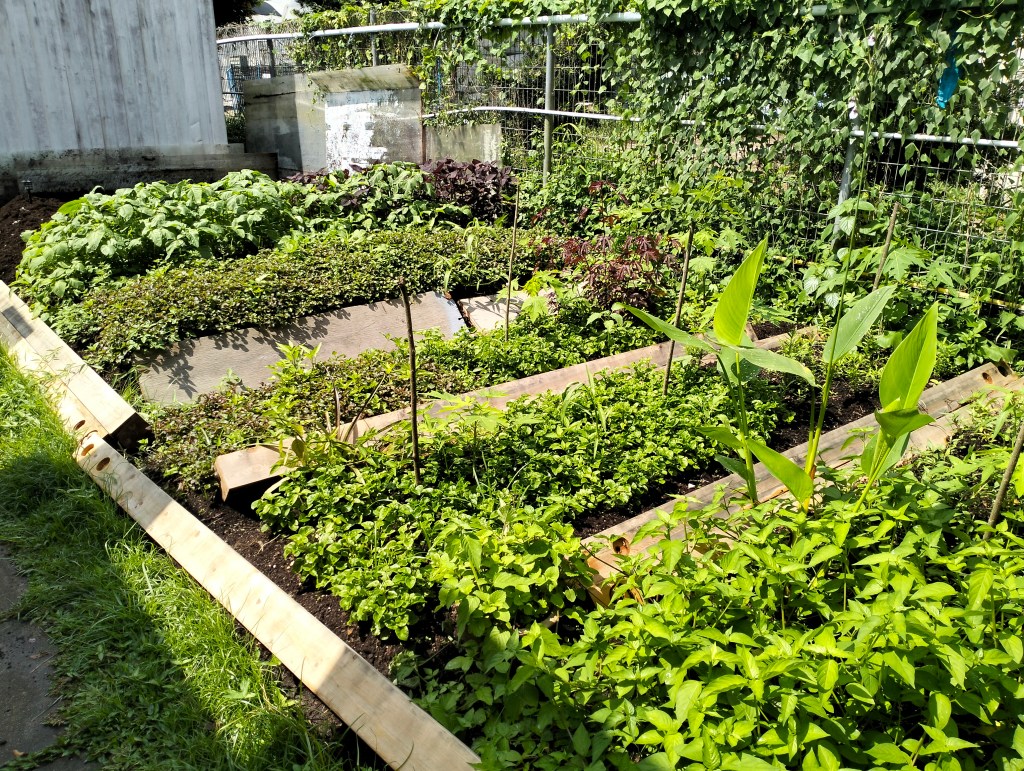
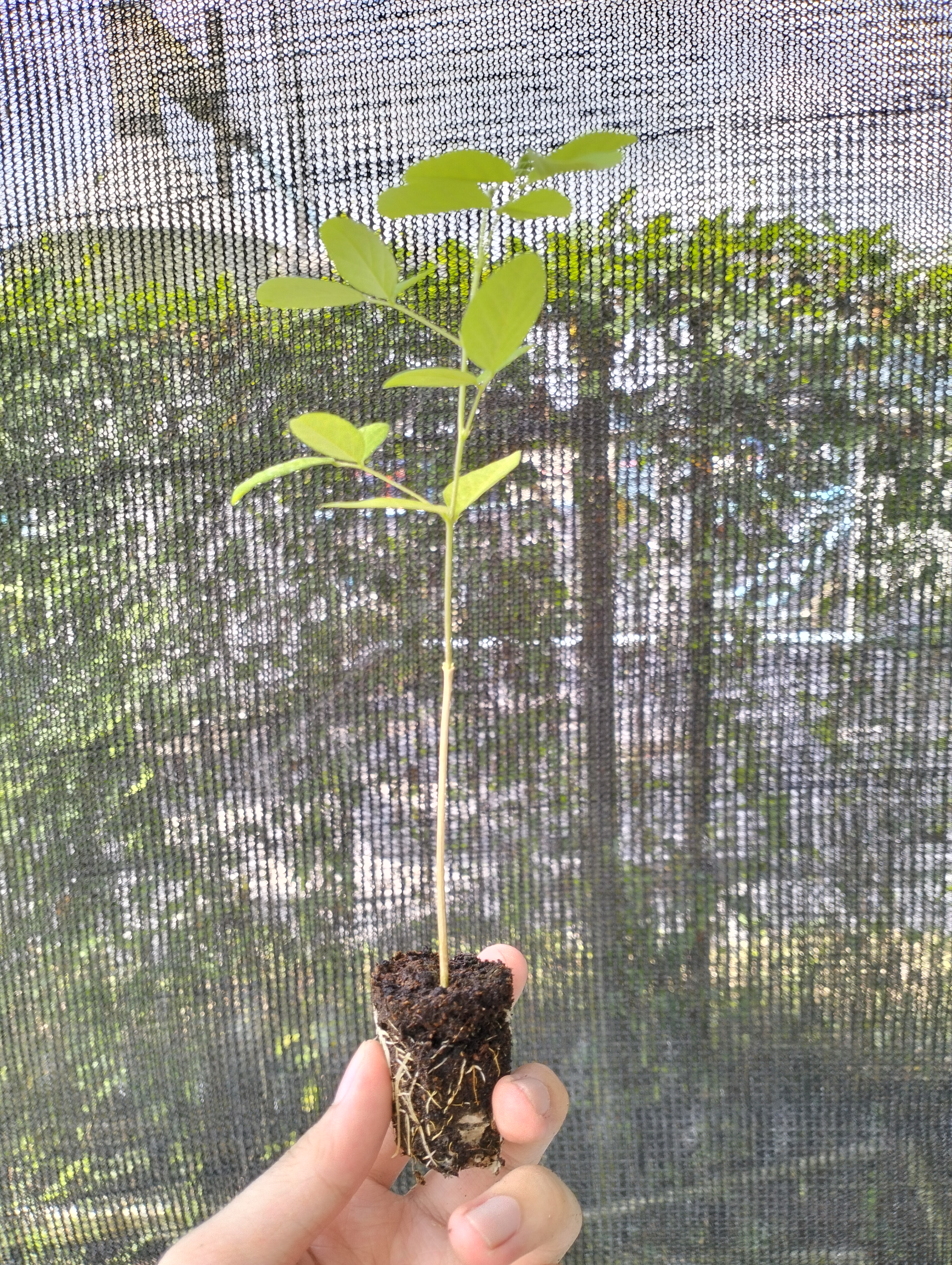
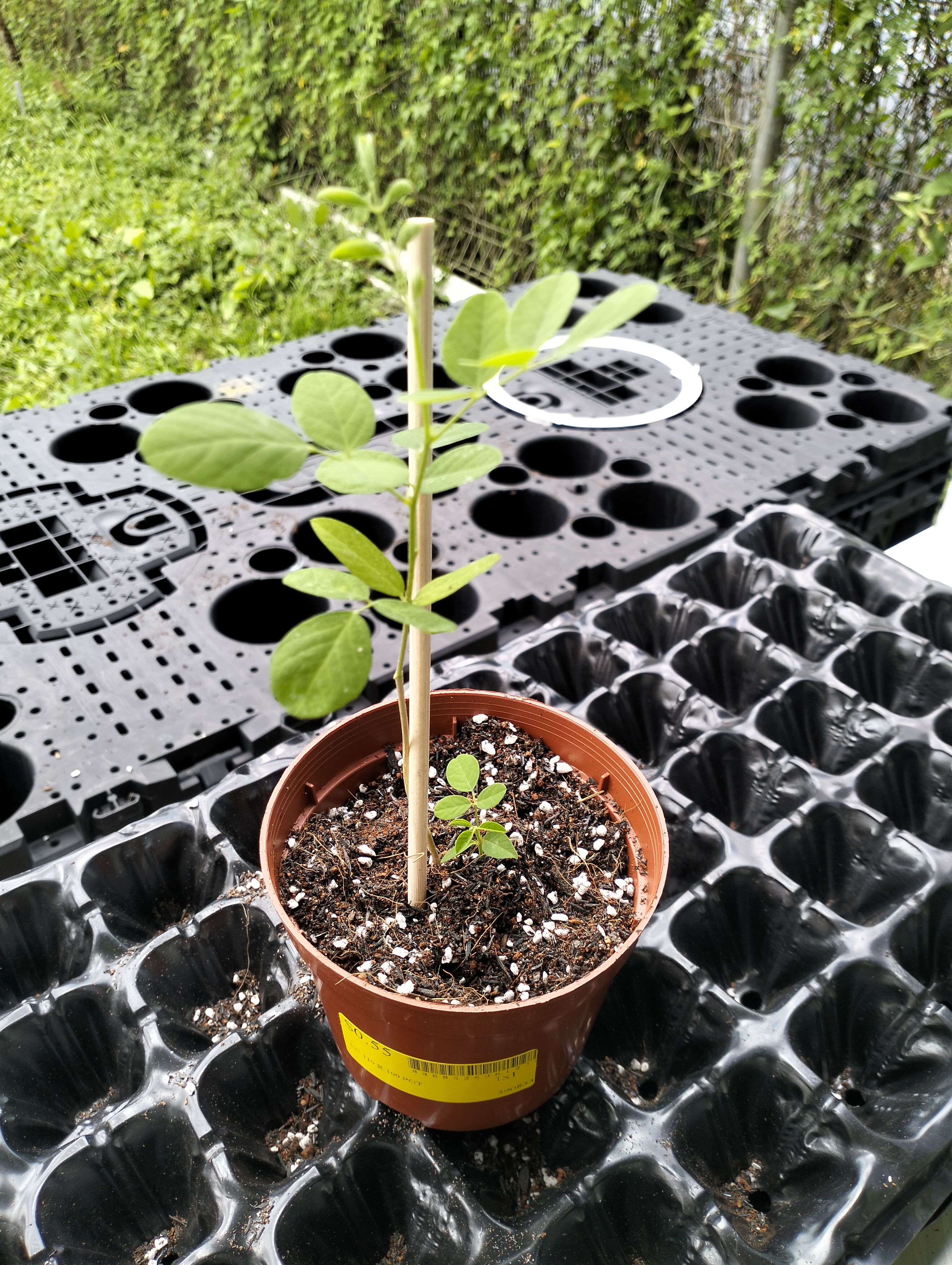
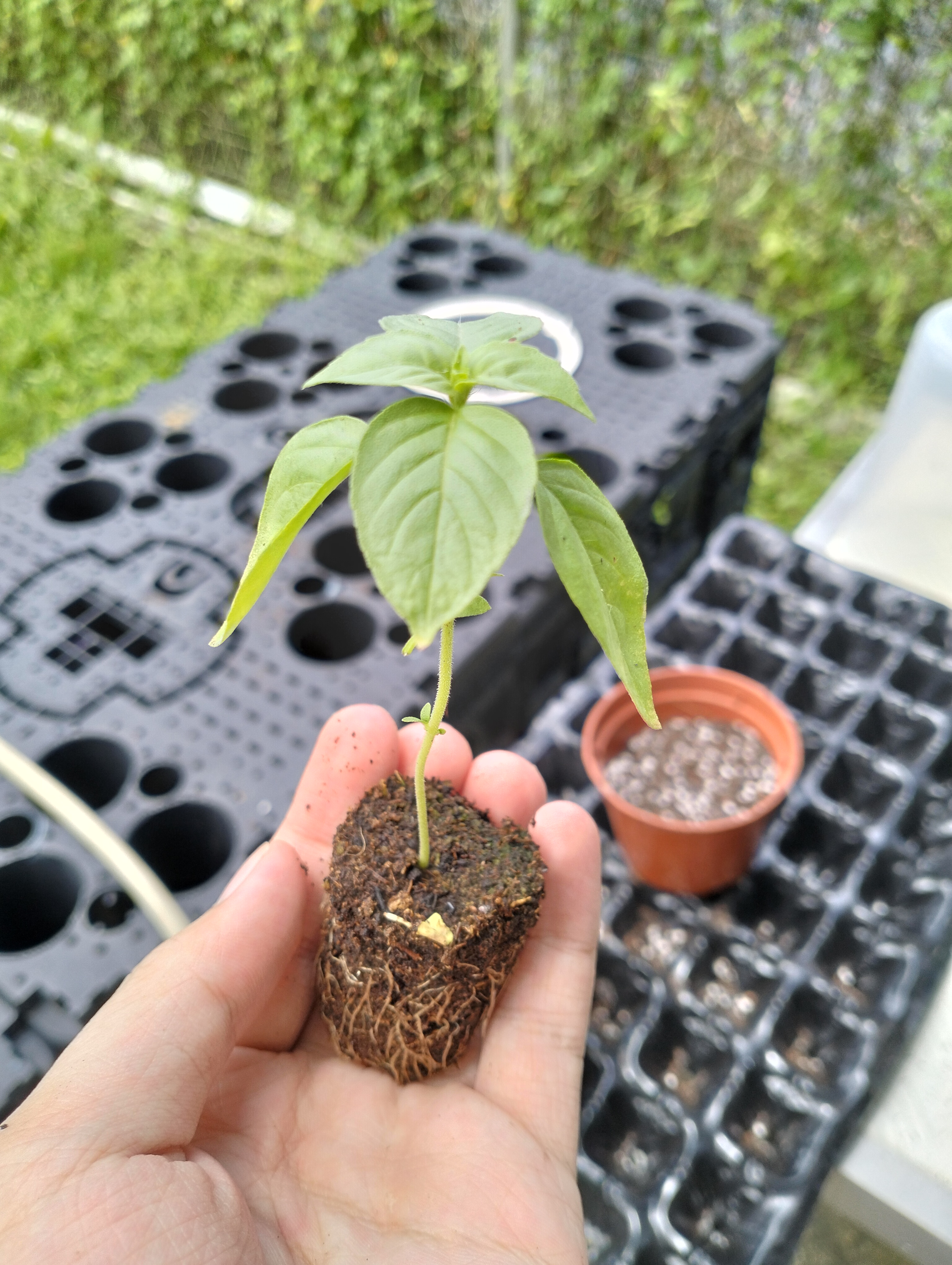
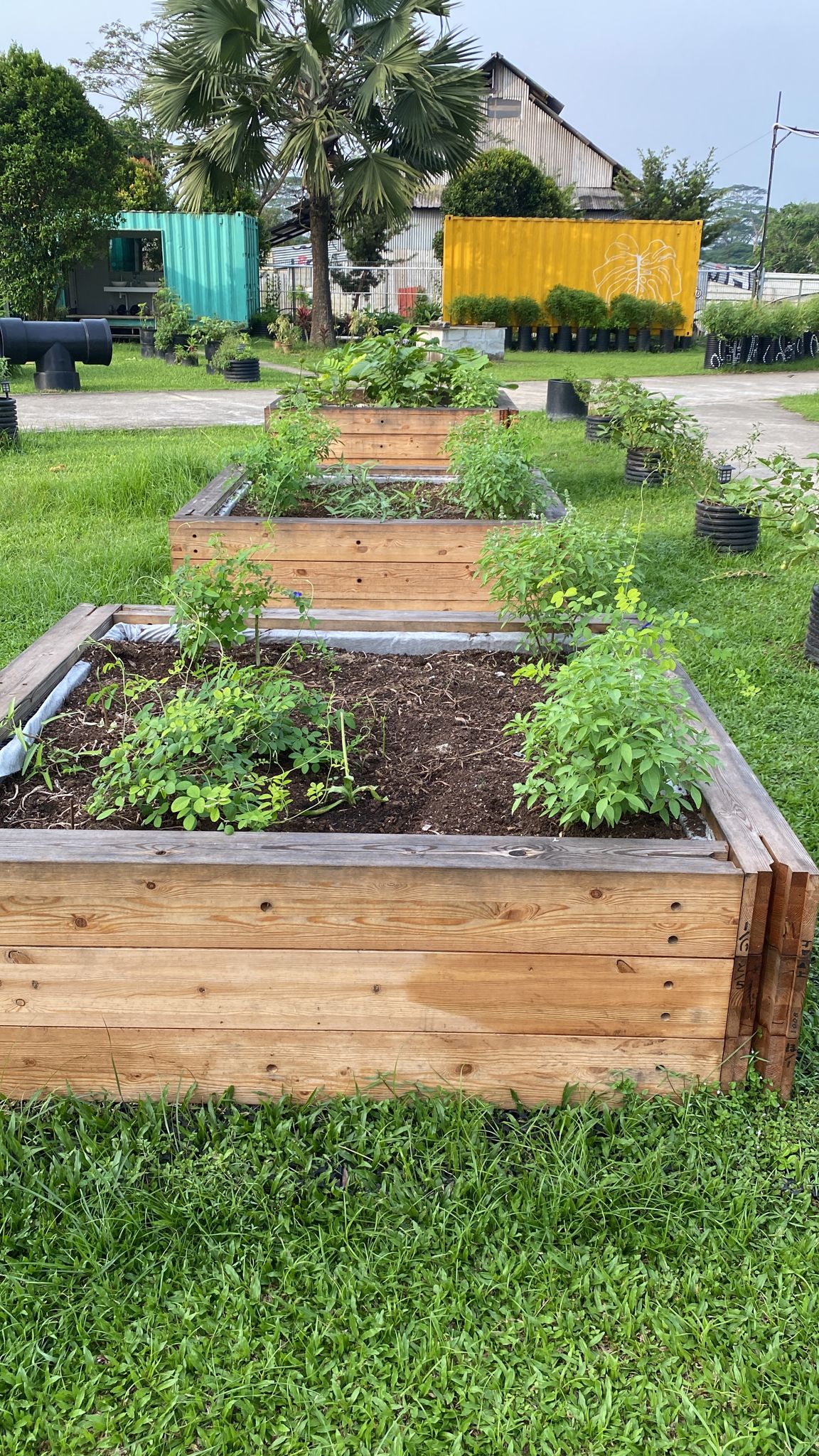
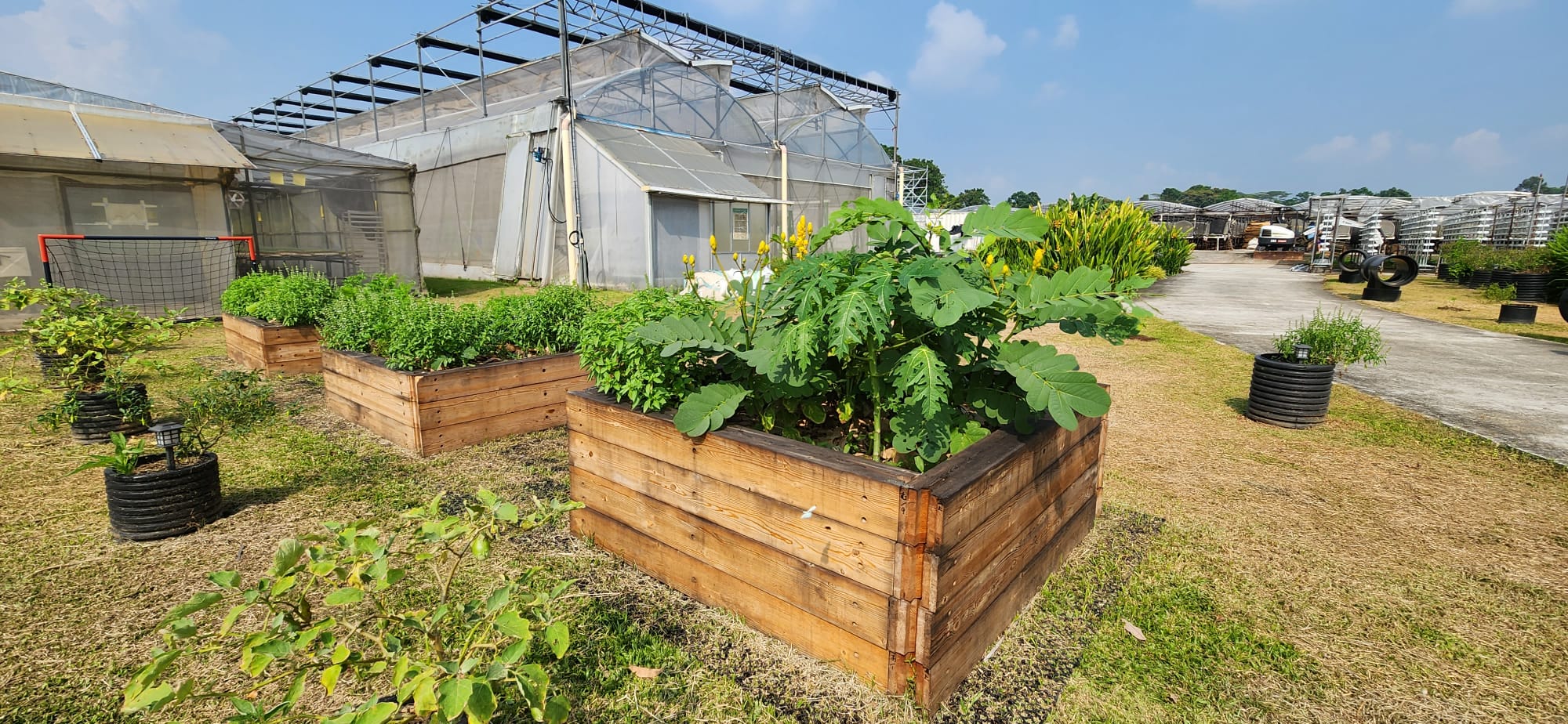
Application of knowledge from industrial agriculture practices to cultivate naturalised plants ( Senna alata), nitrogen-fixers (Clitoria ternatea) and herbs (Basil) from seed to build a multifunctional plant guild. Plants help to boost biodiversity (attracting butterflies) and provide herbs, flowers for farm workers to use in their day-to-day cooking.
Plant boxes are constructed from wood recycled from an exhibition.




Designing a Food Forest
Food Forests of Various Scales
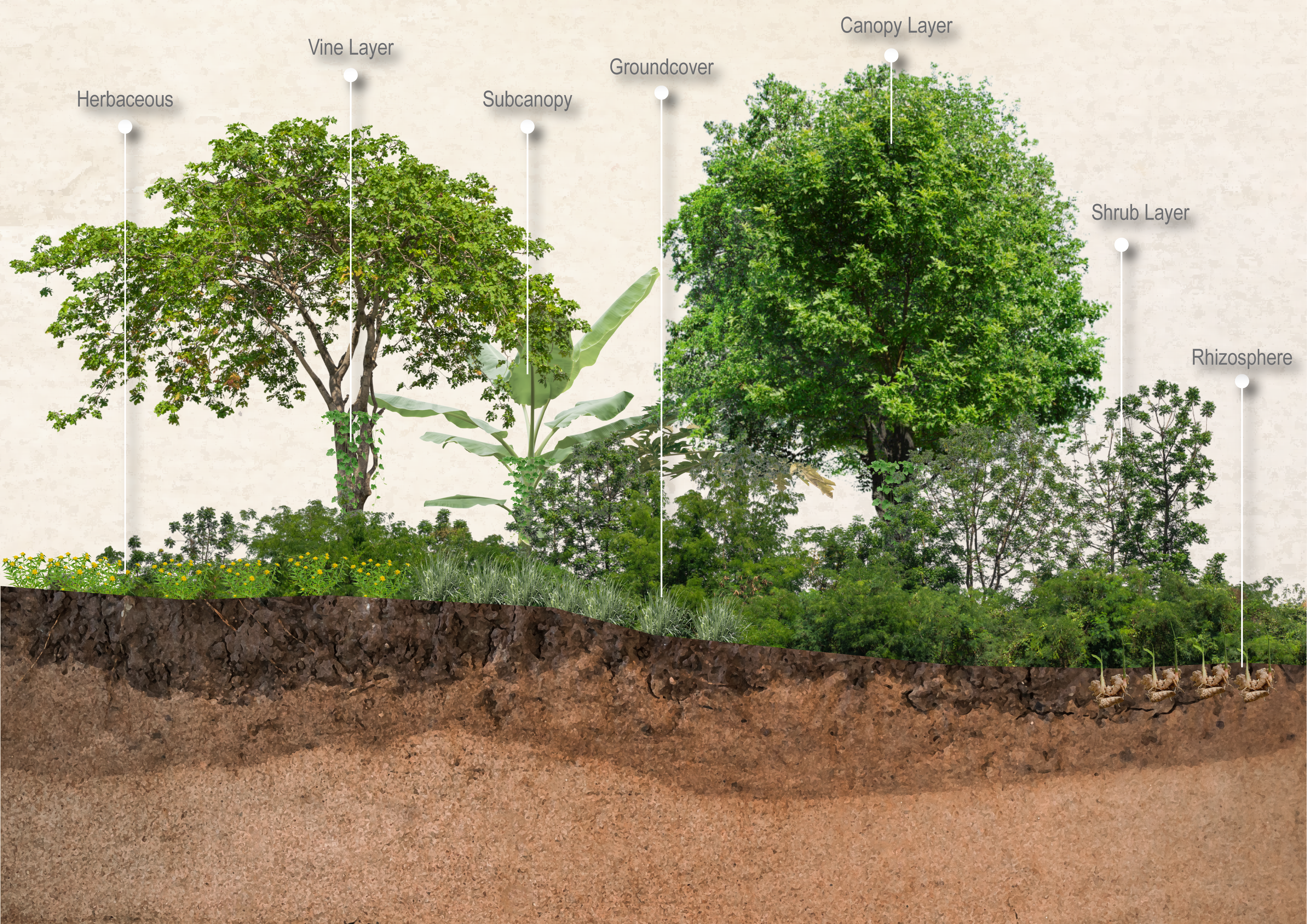
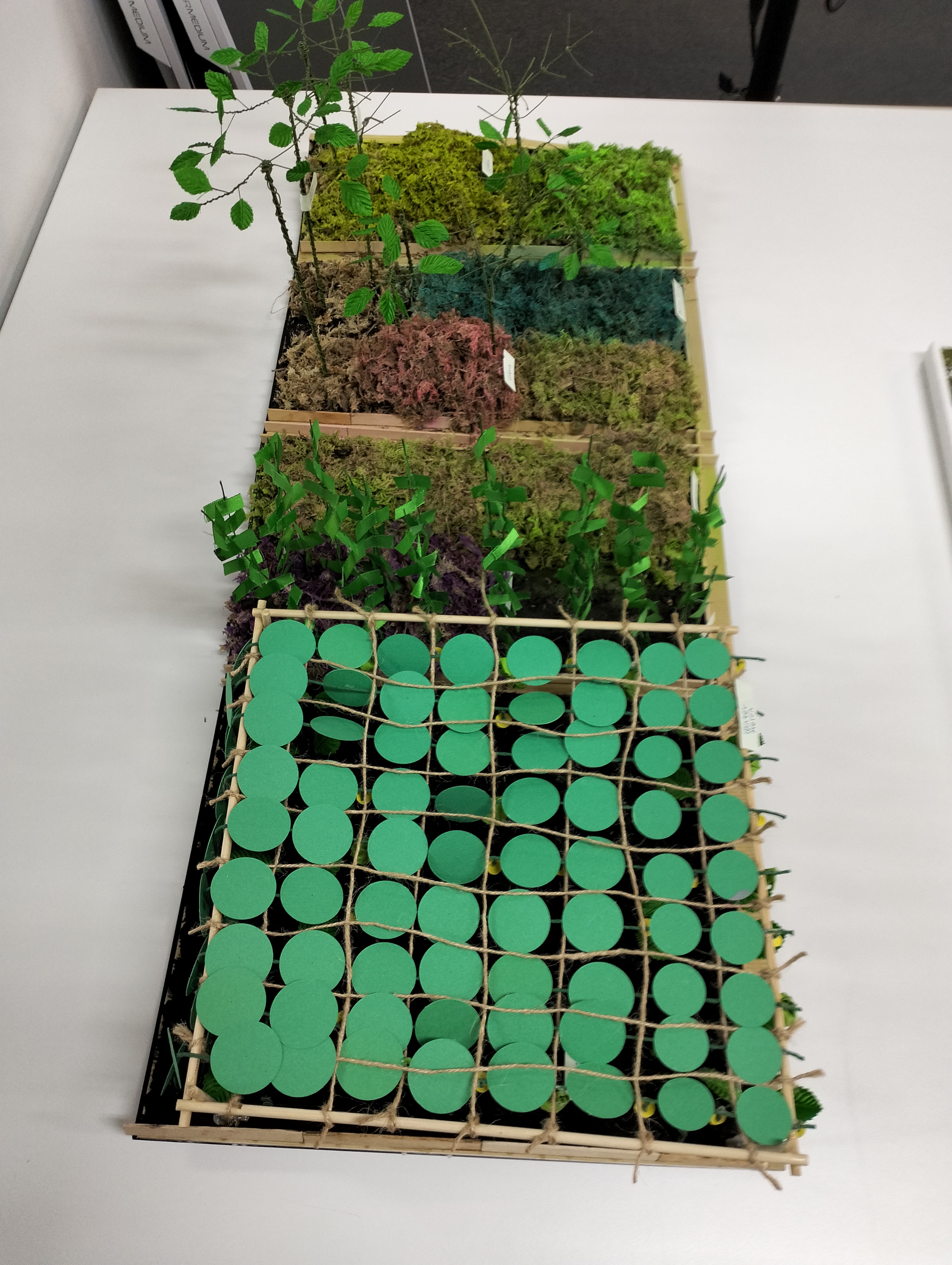
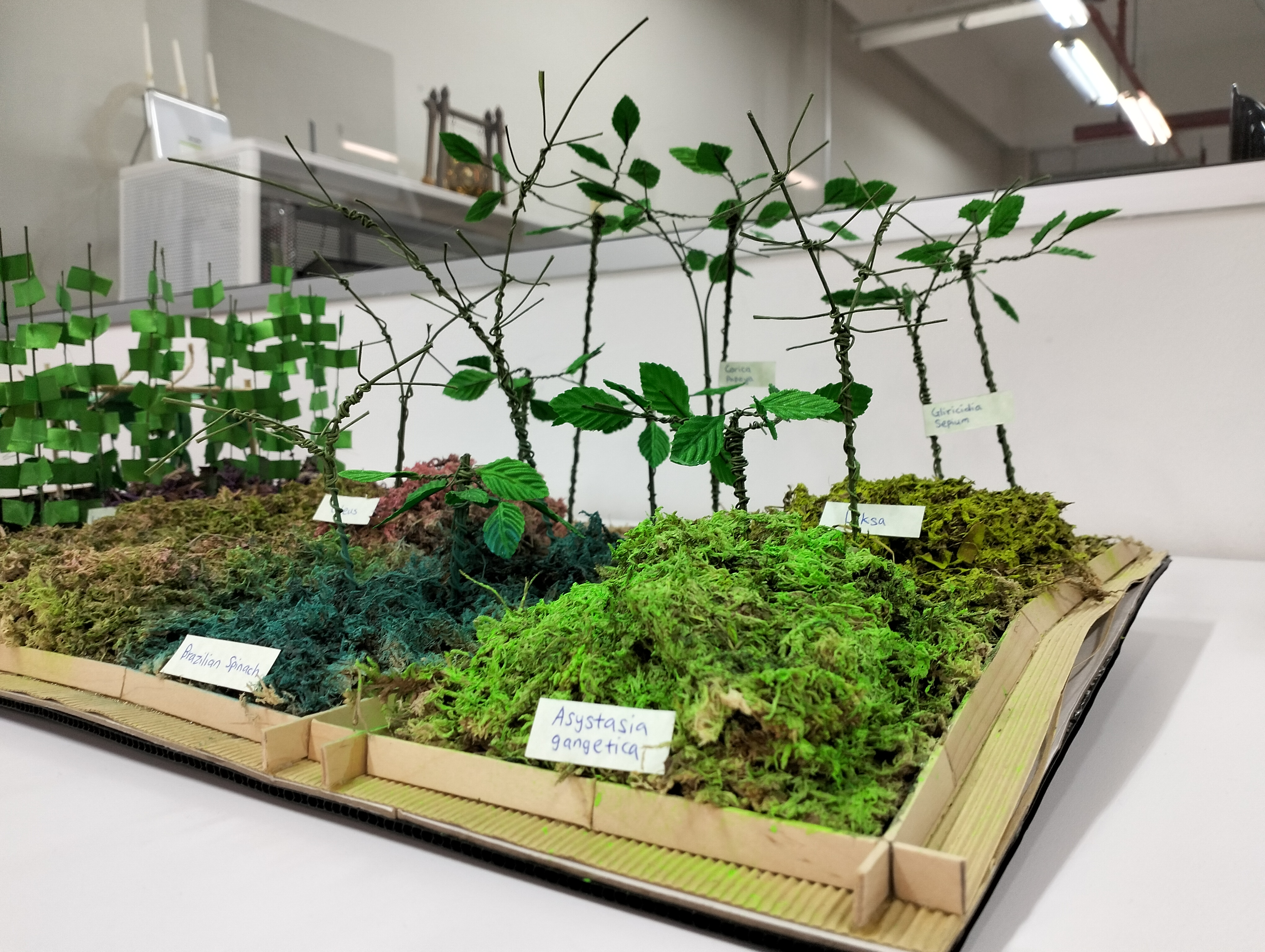
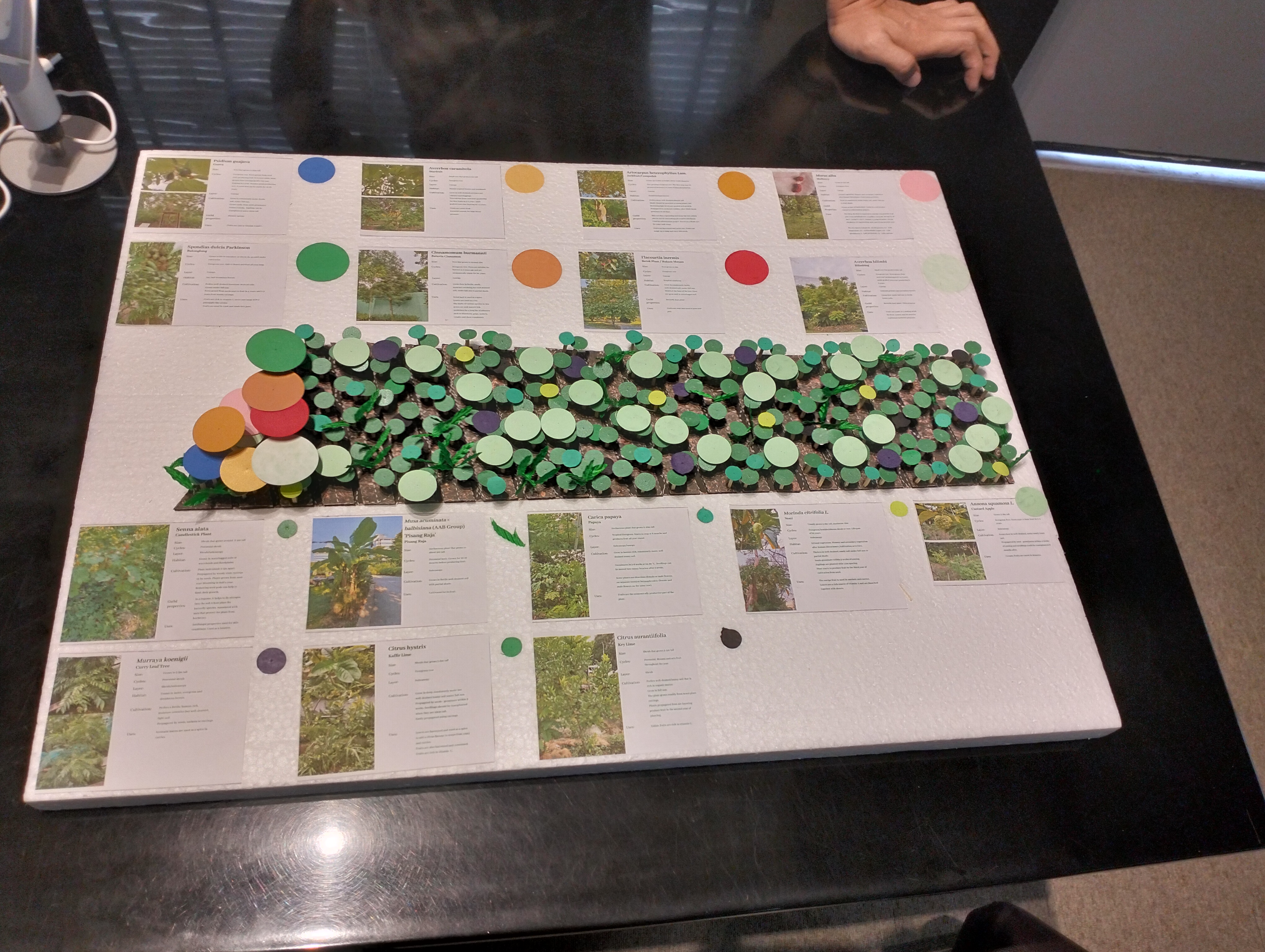
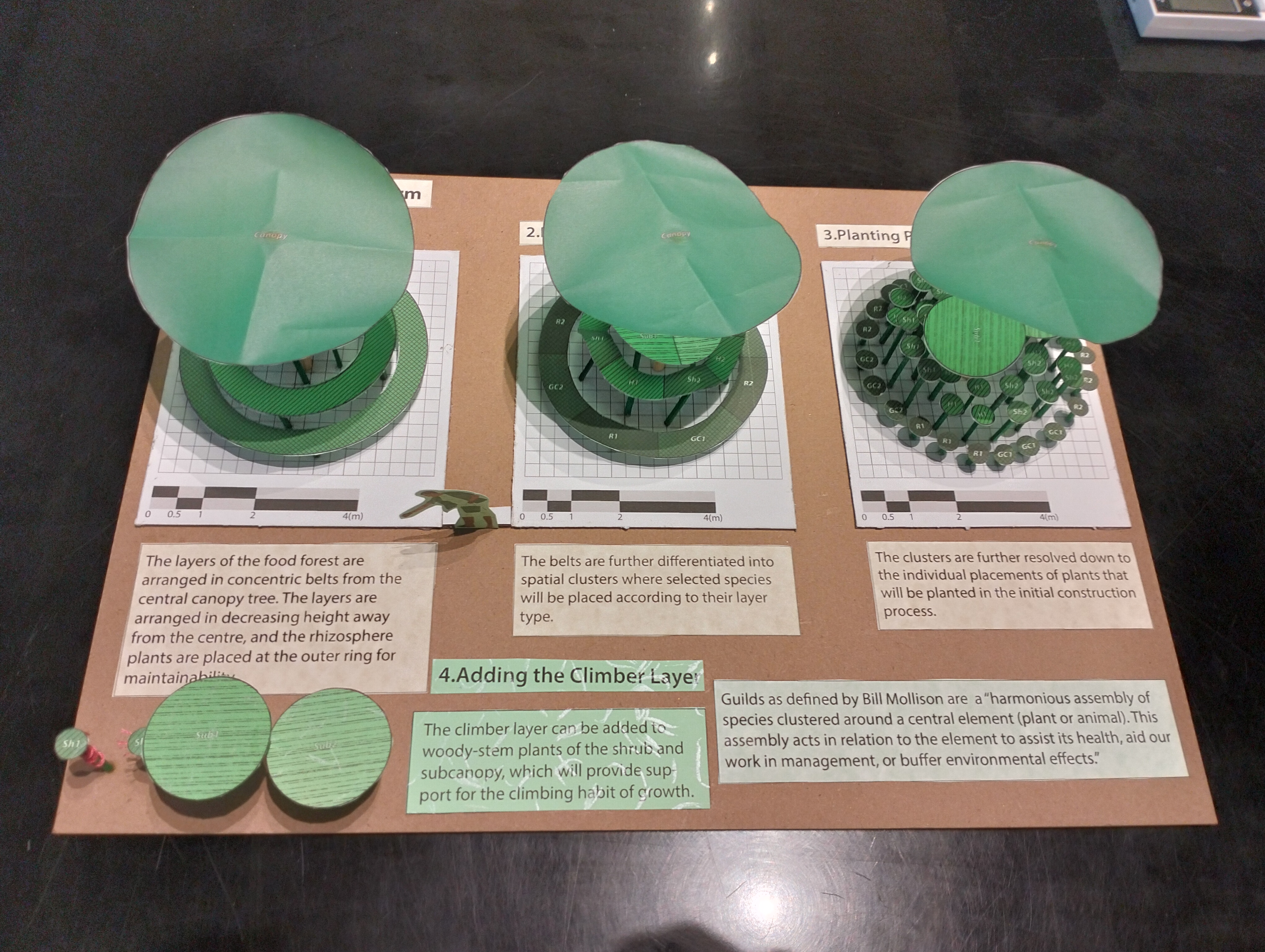
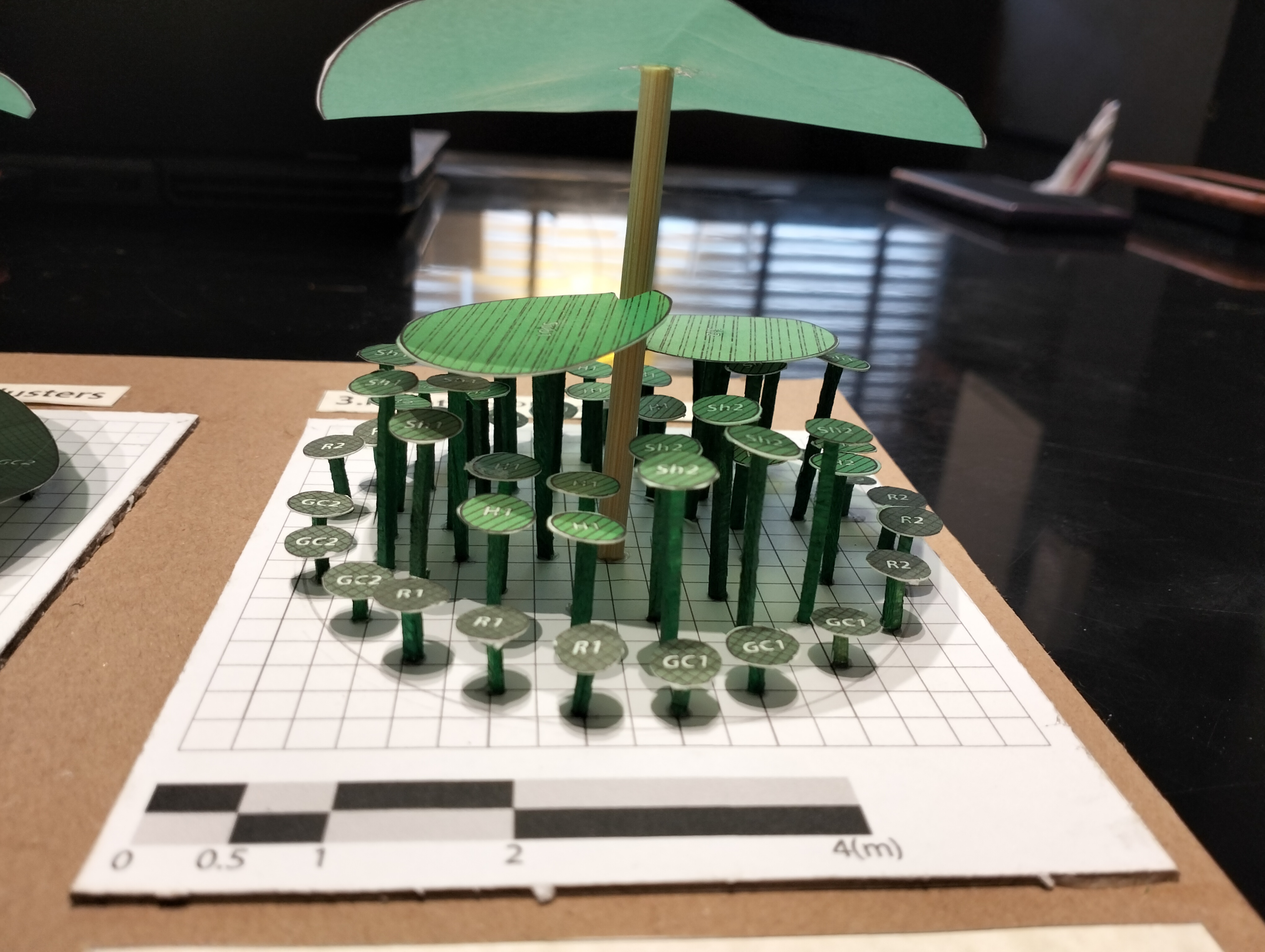
Designing a food forest looks into studying its tiered structure, and selecting a plant palette that fits different layers and is tied to its usage.
I learnt knowledge about food forests from one of the pioneers of Singapore’s local food forests and from plant activities at NUS’ own food forest plot.
I assimilate and process the information learnt into drawings and physical models to illustrate how a food forest should be planted or how it works.


Skills and Knowledge
Plant Identification
I learnt basic plant identification to the family level for plants native to Southeast Asia, based on a set of characteristics that help to distinguish them physically.
Propagation and Cultivation
I learnt different techniques used in propagation and cultivation of plants ( seed, stem-cutting). Particularly, I have knowledge on the process of growing Asian greens from seed in an agricultural setting.
Planting Design
Selecting plant palette and designing for gardens and food forests.
Comparative Botany / Ecology
I have an understanding of basic plant physiology and function, and ecological functions in tropical ecosystems.
Got questions?
Feel free to reach out.
 Cleon's Project Portfolio